Meeting of the President of the Russian Federation with the New Composition of the Civic Chamber
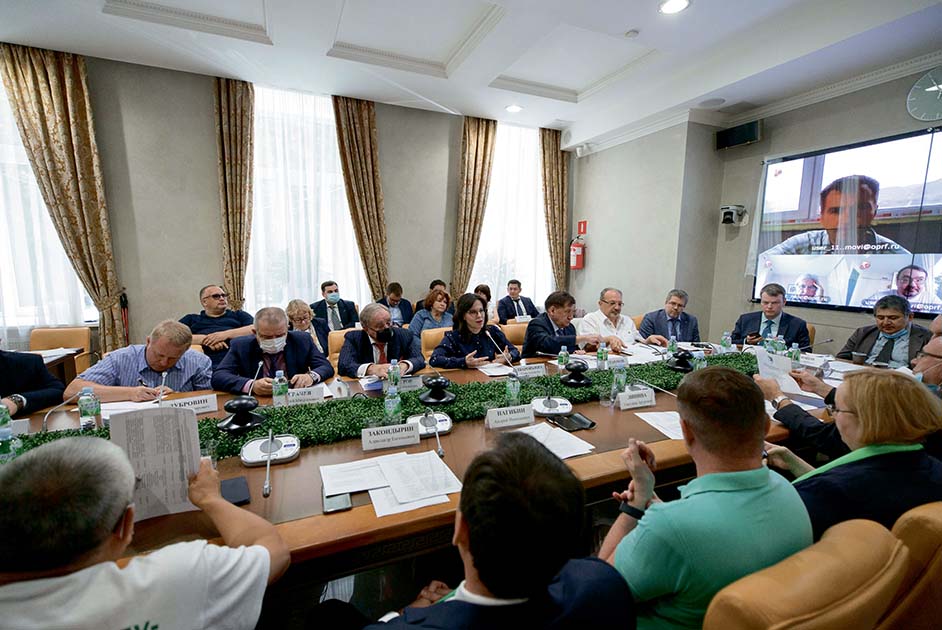
On June 25, 2020, the President of Russia met with the new composition of the Civic Chamber. Key issues were discussed - from organizing public oversight of the vote on amendments to the Constitution of the Russian Federation to monitoring decisions amid the pandemic.
The Civic Chamber proposed measures for monitoring the implementation of national projects, creating a unified NPO registry, providing additional support to the third sector, and funding assistance for children with rare diseases through a progressive personal income tax.
Following the meeting, a list of 17 instructions from the President of Russia was approved. Their implementation required interagency coordination, and the Civic Chamber prepared expert reports, becoming not only a feedback channel but a full-fledged participant in shaping strategic decisions.
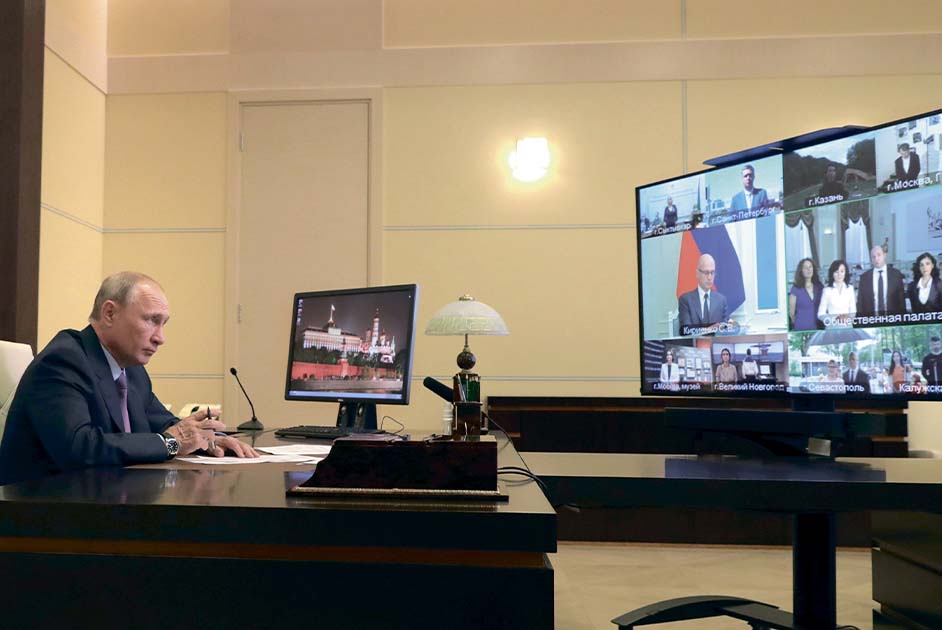 President of Russia Vladimir Putin holds a meeting via videoconference with members of the newly formed seventh composition of the Civic Chamber. June 25, 2020.
Mikhail Klimentyev / RIA Novosti
President of Russia Vladimir Putin holds a meeting via videoconference with members of the newly formed seventh composition of the Civic Chamber. June 25, 2020.
Mikhail Klimentyev / RIA Novosti
Amendments to the Constitution
In 2020, the Civic Chamber became the connecting link in implementing the constitutional reform, uniting civil society, experts, and the authorities. A group for preparing proposals operated on its platform, which included nine Civic Chamber representatives. Over three months, more than 2,200 initiatives were collected, over 600 were forwarded to the working group, and 11 of the Civic Chamber's proposals were incorporated into the final text of the Constitution.
During the nationwide vote on amendments to the Constitution of the Russian Federation, the Civic Chamber deployed over half a million independent public observers from more than 1,600 public associations to polling stations. As per tradition, a Situation Center operated around the clock on the Civic Chamber's premises. After the vote, the Civic Chamber prepared a report with proposals for developing public observation and conducted expert reviews of draft laws implementing the "social amendments," including matters of education, child protection, youth policy, and the status of the Russian language.
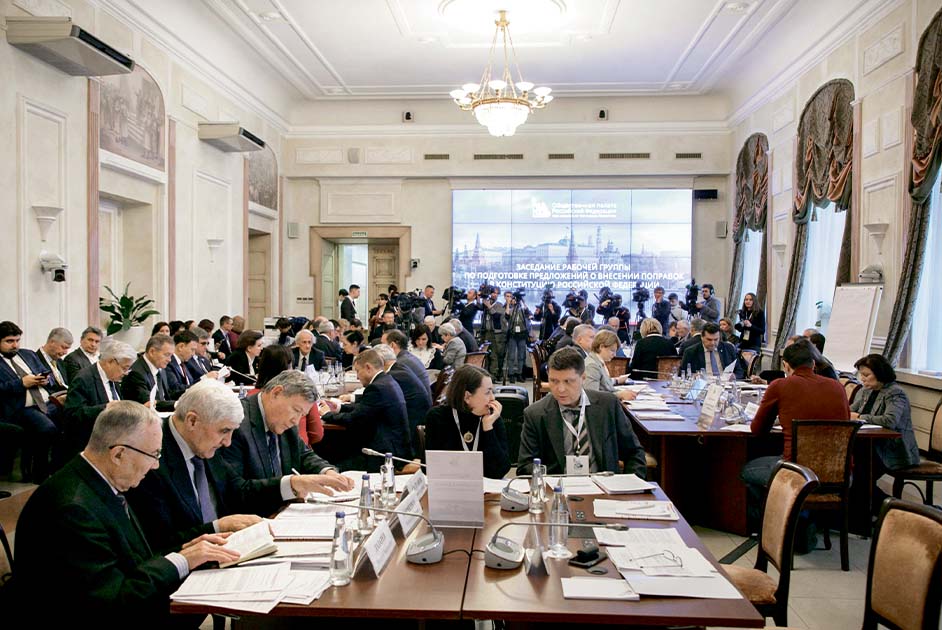 Working Group of the Civic Chamber of the Russian Federation on Amendments to the Constitution of the Russian Federation / Press Service of the Civic Chamber of the Russian Federation
#WeAreTogether—
Uniting Efforts in the Fight Against the Coronavirus
In 2020, during the COVID-19 pandemic, the Civic Chamber became the coordinator of efforts by civil society, volunteers, and NPOs. With its support, the #WeAreTogether campaign was launched, uniting over 118,000 volunteers and providing assistance to more than 3.5 million people. The total volume of donations exceeded 1.8 billion rubles.
For an operational response, the project #UnderSupervision2020 was launched, featuring hotlines for state support measures, NPO operations, combating disinformation, and healthcare issues. Based on the collected data, the Civic Chamber prepared proposals to enhance the effectiveness of interaction between the state, citizens, and volunteers.
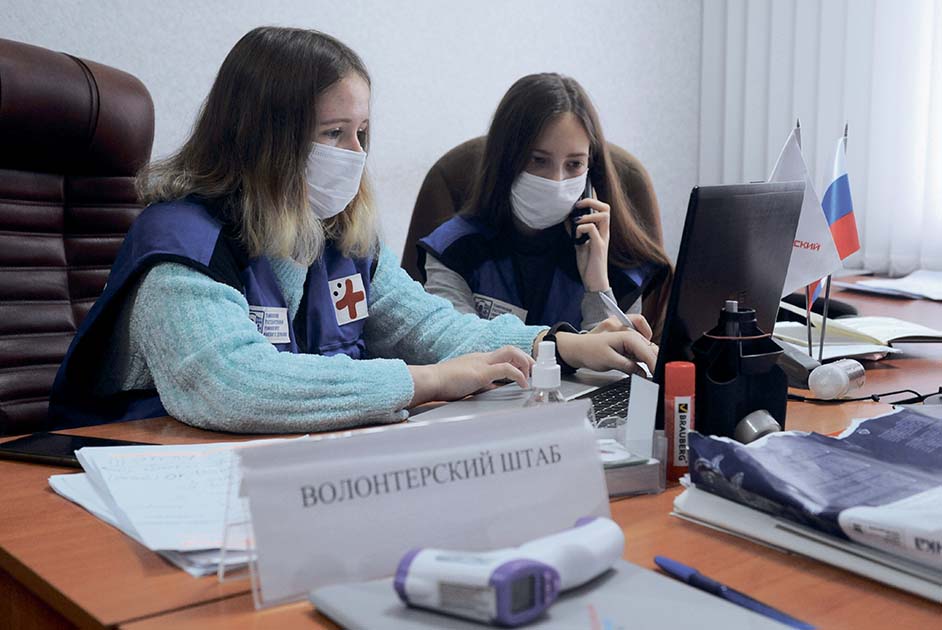 Activists of the regional volunteer headquarters of the All-Russian People’s Front, as part of the "We Are Together" campaign, process requests for home delivery of medicines for COVID-19 patients in Tambov. November 24, 2020. Alexey Sukhorukov / RIA Novosti
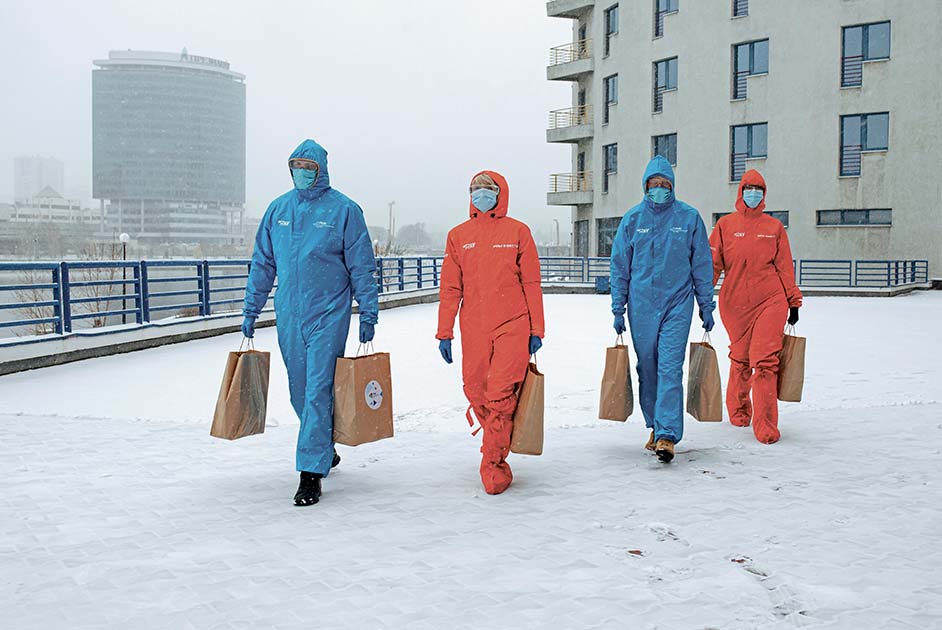 Aid to the population during the pandemic and the #WeAreTogether campaign / Добро.рф
Developing Systemic Support Measures for NPOs During the Pandemic
One of the key priorities of the Civic Chamber in 2020 became the protection of socially oriented NPOs, which found themselves at particular risk due to restrictive measures. The Civic Chamber's prepared proposals for mitigating the crisis’s impact on the third sector were taken into account in the instructions of the President of Russia and formed the basis of a number of regulatory legal acts.
As a result, unprecedented support measures were introduced, including temporary exemptions from taxes and insurance premiums, a moratorium on inspections, access to preferential lending, and tax incentives for benefactors. Potential recipients of aid included approximately 40,000 organizations.
In April 2020, the Civic Chamber launched the #TogetherNPOs hotline to collect information on NPOs’ needs, their adaptation experience, and successful practices. This initiative became an important tool for horizontal connections within the sector and strengthening institutional support.
Later, the Civic Chamber actively participated in forming registries of NPOs eligible for state support: it facilitated interaction with state authorities, provided up-to-date data and proposals for including organizations, and exercised public oversight over the process.
Given the need for systematization and simplification of procedures, the Civic Chamber proposed consolidating the registries and put forward the initiative to create a unified registry of SO NPOs. At the meeting of the President of Russia with the new composition of the Civic Chamber, this idea received support, and the Government of Russia was instructed to jointly prepare proposals for its formation and maintenance with the Civic Chamber.
Many legislative decisions to support the nonprofit sector, adopted during that period and considered temporary and anti-crisis, were not subsequently canceled after the pandemic ended, allowing for the formation of a full-fledged infrastructure to support the nonprofit sector. The Civic Chamber, together with the civic chambers of the constituent entities of the Russian Federation, submitted a set of proposals to the Government of Russia for inclusion in the National Action Plan, ensuring the restoration of employment and incomes, growth, and long-term structural changes in the economy. The main focus was on two key areas: targeted support for vulnerable categories of citizens and the resilience of the small and medium-sized enterprise sector.
The Civic Chamber’s proposals became the basis for forming sustainable models to support civil society and economic actors amid crisis conditions.
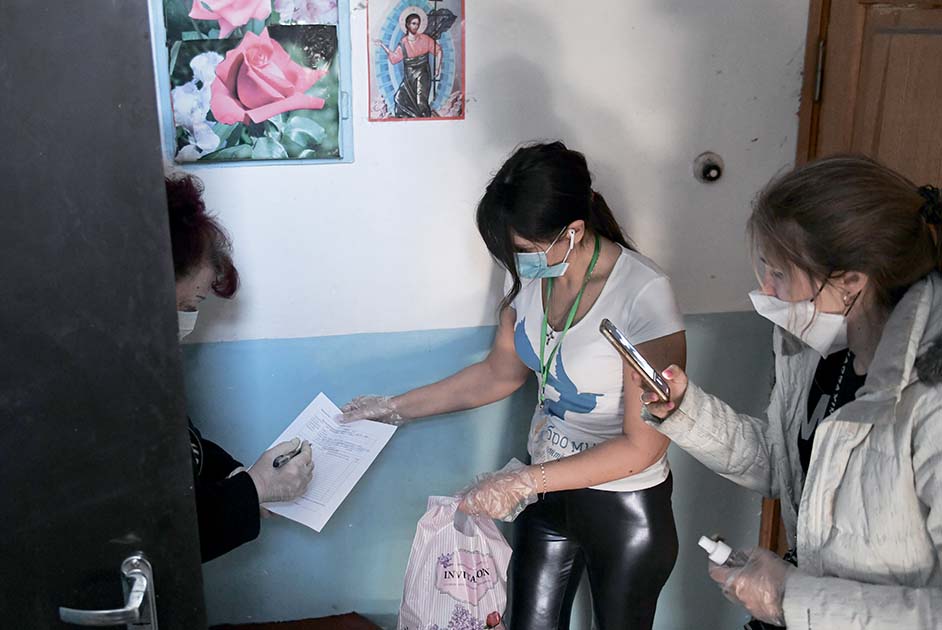 Volunteers of the "Good of the World—Volunteers of Crimea" charity foundation deliver necessary medications to a retiree. April 6, 2020. Konstantin Mikhalchevsky / RIA Novosti
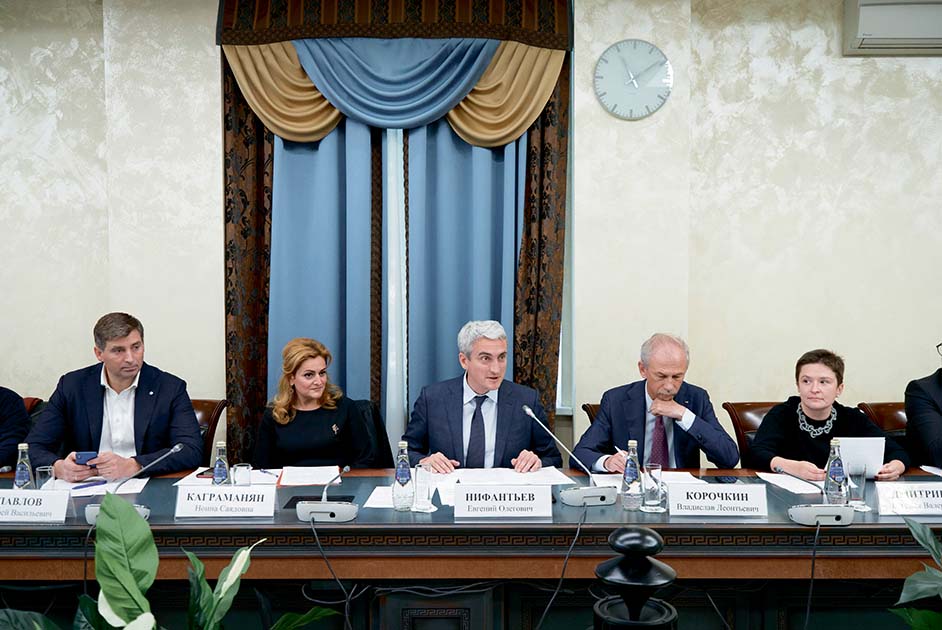 The Commission of the Civic Chamber of the Russian Federation on Economic Development and Corporate Social Responsibility discusses support measures for small and medium-sized enterprises. 2020 / Press Service of the Civic Chamber of the Russian Federation