Public Expert Examination of Draft Regulatory Legal Acts
Over the course of two years, the Civic Chamber developed a structured methodology for working with legislative drafts.
This methodology encompassed comprehensive information campaigns and public debates. As a result, civil society gained the opportunity not only to react to decisions already made but to actively participate in the decision-making process itself.
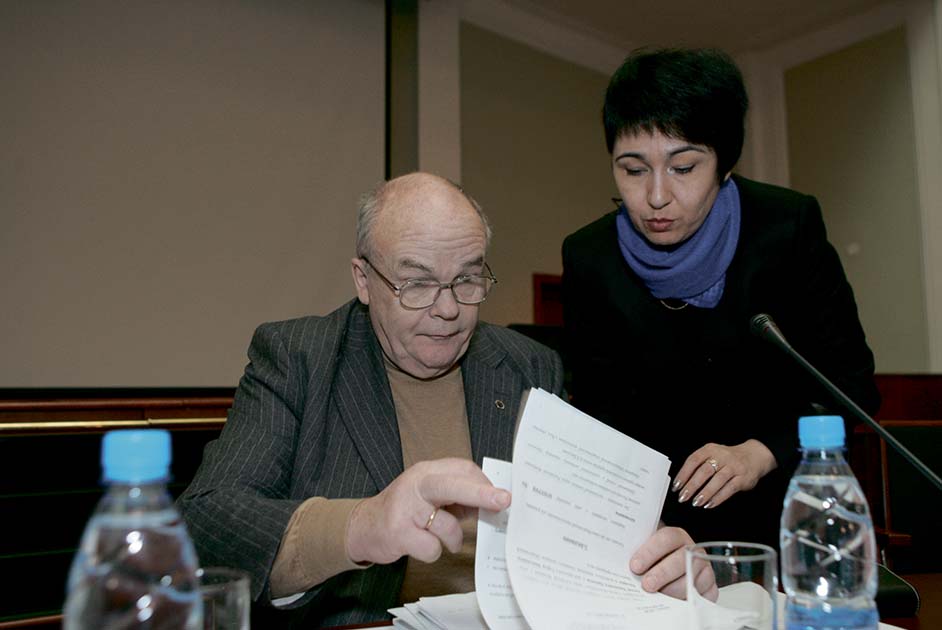 President of the Civic Chamber of the Russian Federation, Academician Evgeny Velikhov / Press Service of the Civic Chamber of the Russian Federation
From Consultations to Influence: The Growing Role of Public Councils
A new milestone in the development of the public oversight system in the country was the creation in 2007 of the first public councils under federal executive authorities, as well as at the level of constituent entities of the Russian Federation and municipalities.
Initially, many public councils included members of the Civic Chamber. This helped other council members—ordinary civil activists—feel more confident in voicing and defending their positions before the leadership of ministries and agencies. The practice of involving members of the Civic Chamber in the work of public councils remains widespread to this day. Furthermore, by tradition, their membership includes public opinion leaders, celebrities, renowned scientists, athletes, and cultural figures.
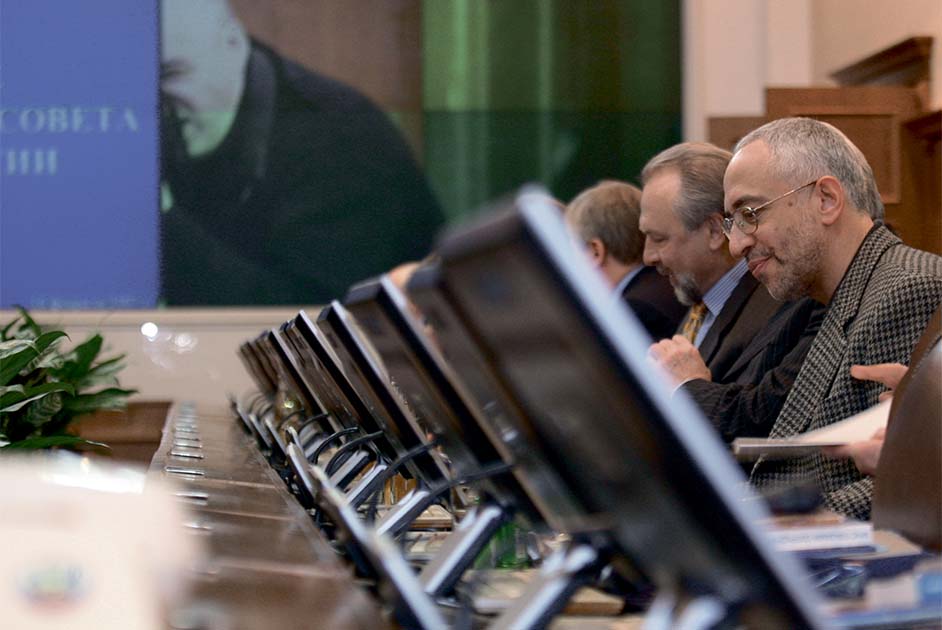 Members of the Civic Chamber Nikolai Svanidze and Pavel Gusev
during the first meeting of the Public Council under the Ministry of Civil Defence, Emergencies and Disaster Relief of the Russian Federation. February 16, 2007. Mikhail Fomichyov / ITAR-TASS
Members of the Civic Chamber Nikolai Svanidze and Pavel Gusev
during the first meeting of the Public Council under the Ministry of Civil Defence, Emergencies and Disaster Relief of the Russian Federation. February 16, 2007. Mikhail Fomichyov / ITAR-TASS
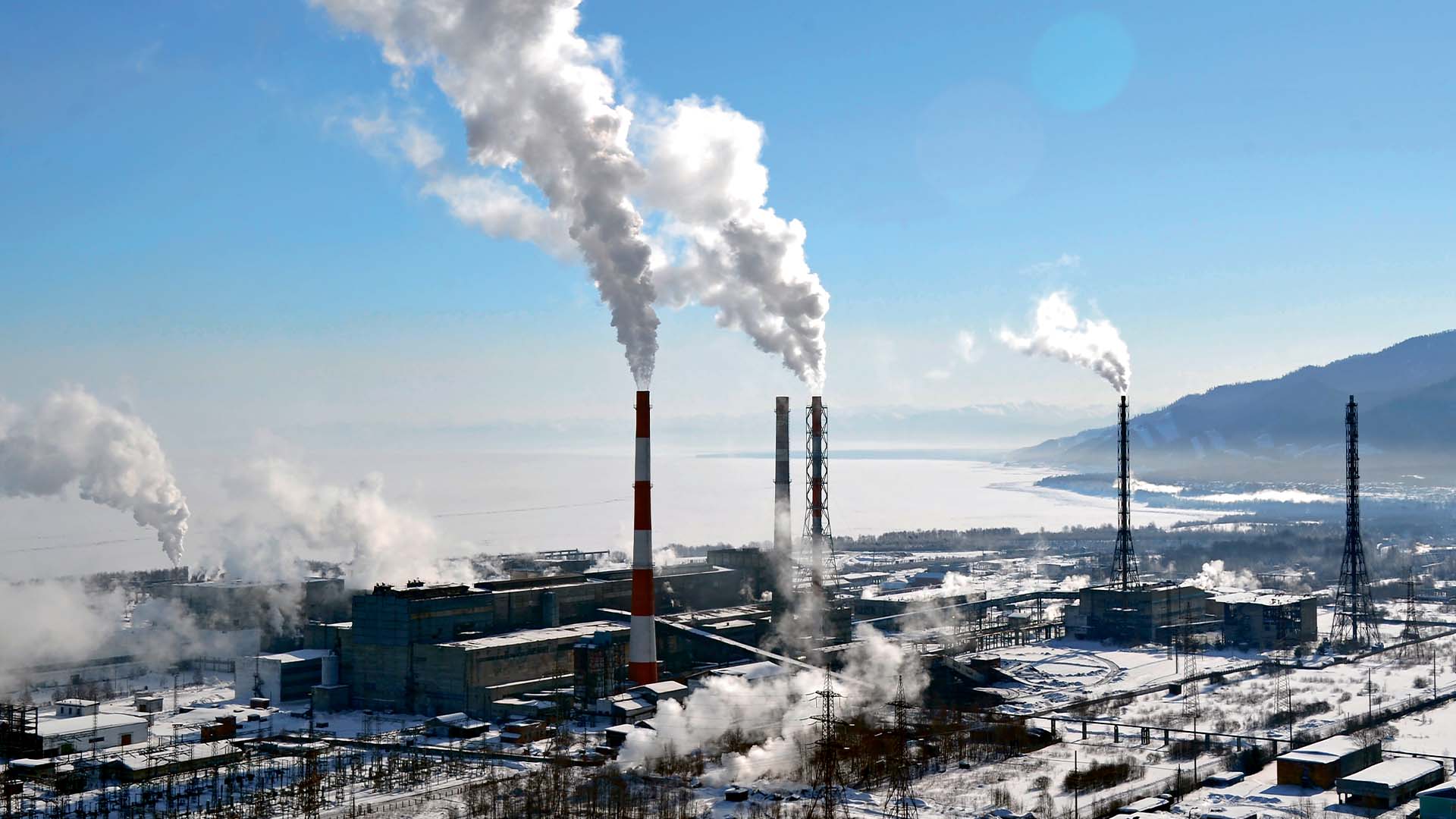
The Country’s Green Choice: Why Ecology Matters More Than Ever
Sustainable Development emerged as a crucial focus in 2007.
Thus, the Civic Chamber appealed to the President of Russia, the Federal Assembly, and the business community to integrate the principles of sustainable development into state policy and their activities. In particular, it emphasized that issues of environmental protection and rational resource use should not be confined to discussions among a narrow circle of specialists but become a subject of nationwide dialog.
Lessons on Religious Culture in Schools
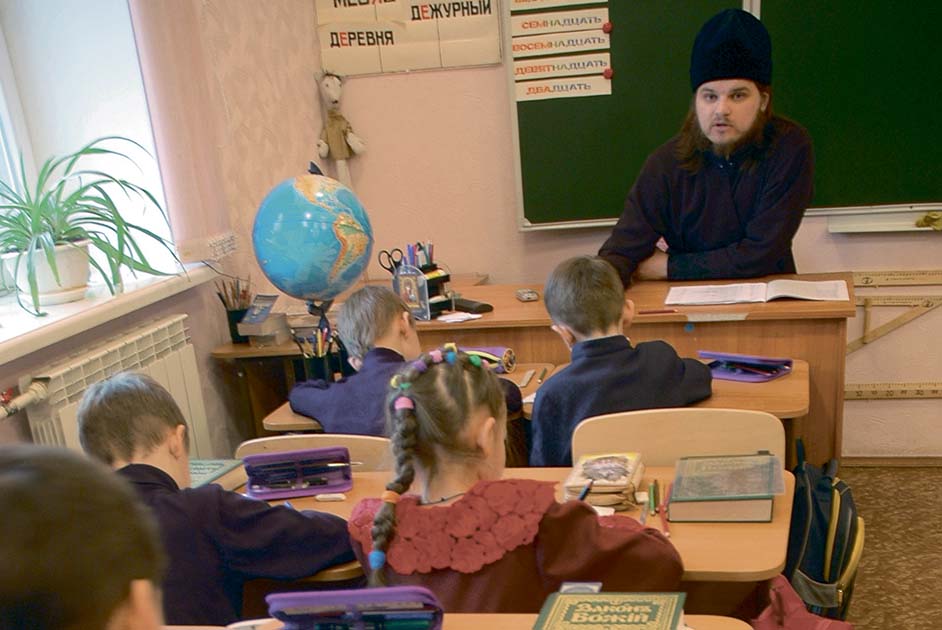 An Orthodox Christianity lesson at Secondary School No. 30 in Nizhny Novgorod. March 29, 2008. Mikhail Bezsonov / RIA Novosti
In 2007, a debate began on teaching the fundamentals of religious culture in schools.
The Civic Chamber supported this initiative while stressing the necessity of voluntariness and respect for the rights of the nonreligious part of the population in such instruction.
As a result, this was implemented through the course "Fundamentals of Religious Cultures and Secular Ethics," introduced in schools starting in 2012. Later, the course "Fundamentals of the Spiritual and Moral Culture of the Peoples of Russia" was added to it.
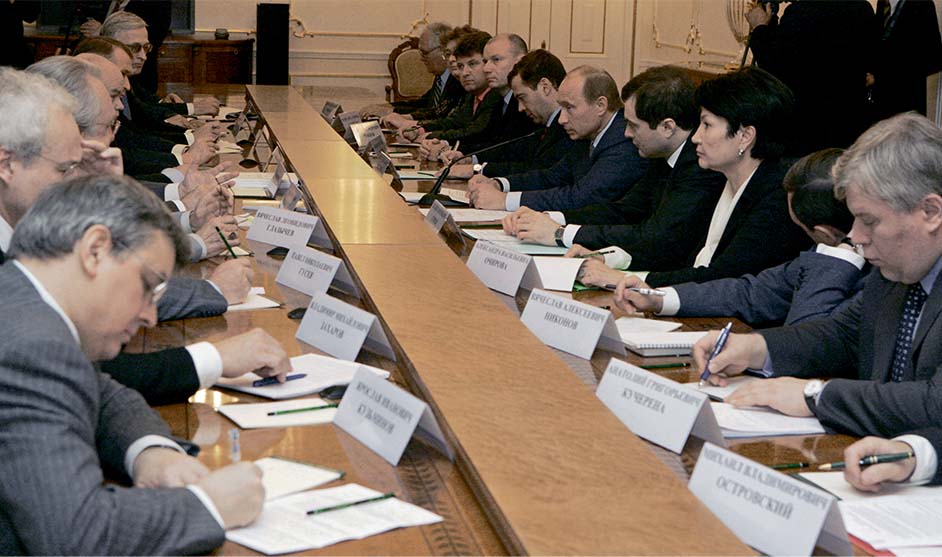 Meeting of the President of Russia with members of the Civic Chamber. May 16, 2007. Mikhail Klimentyev / ITAR-TASS
Ensuring Every Voice is Heard
During the elections to the State Duma, the Civic Chamber, for the first time, launched a hotline across 45 constituent entities of the Russian Federation.
This allowed citizens to directly report electoral violations and receive informational and advisory support regarding the observance of their voting rights.The work of the Civic Chamber during those elections laid the foundation for public observation, which subsequently developed into a systematic practice.
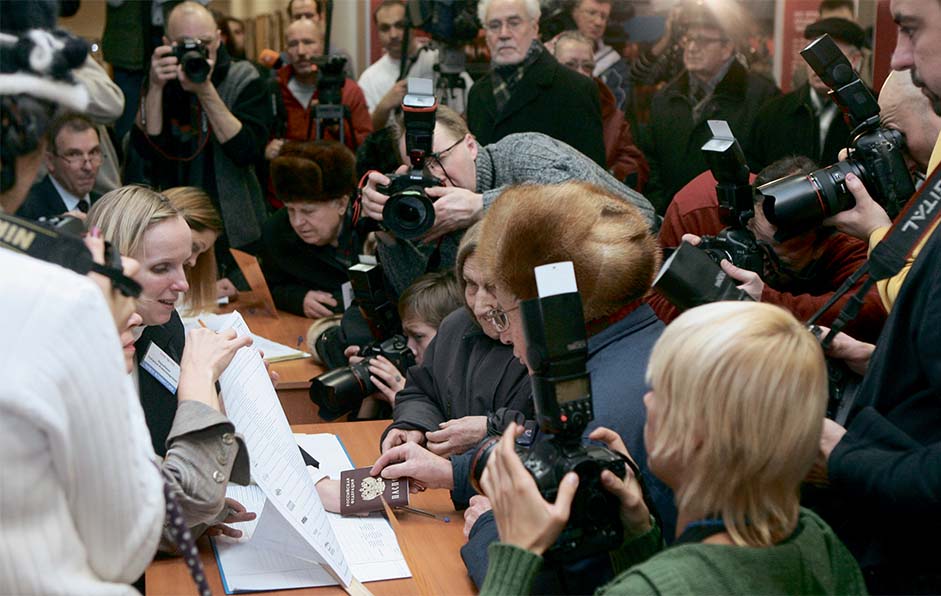 At one of Moscow’s polling stations on election day for deputies of the State Duma of the Russian Federation of the fifth composition. December 2, 2007. Vladimir Fedorenko / RIA Novosti