Public Mediation
One of the most prominent cases was the conflict surrounding the construction of the Moscow–Saint Petersburg highway. A section of the highway was slated to pass through the Khimki Forest, sparking protests from radical environmentalists. Additionally, some citizens whose property was subject to buyouts for the construction were dissatisfied with the compensation amounts. Thanks to the intervention of the Civic Chamber, the total compensation fund was increased from 3 billion to 4 billion rubles. Furthermore, a decision was made to install additional noise barriers and plant 500 hectares of forest.
Ultimately, the road was built, and as we see today, it has improved transport accessibility not only for residents of the Moscow region but also for millions of road users.
Alongside this, the Civic Chamber also intervened in the conflict around the demolition of houses in the Moscow settlement of Rechnik. A public expert review of the relevant documents revealed violations by the authorities, specifically the refusal to formalize land rights and the disregard for other residents’ rights.
Moreover, in December 2010, public attention was focused on events at Manezhnaya Square, where riots instigated by football fan groups threatened to escalate into ethnic clashes. Members of the Civic Chamber initiated dialog with both ethnic communities and representatives of law enforcement agencies. It was then that the well-known maxim was born: "Only a strong civil society can curb the rise of nationalist sentiments."
Another major case of the year was the discussion of the Moscow Master Plan project up to 2025. During the public debates, members of the Civic Chamber raised a number of comments regarding the project, particularly concerning the consideration and resolution of the city’s transport and environmental problems, as well as issues of preserving cultural heritage.
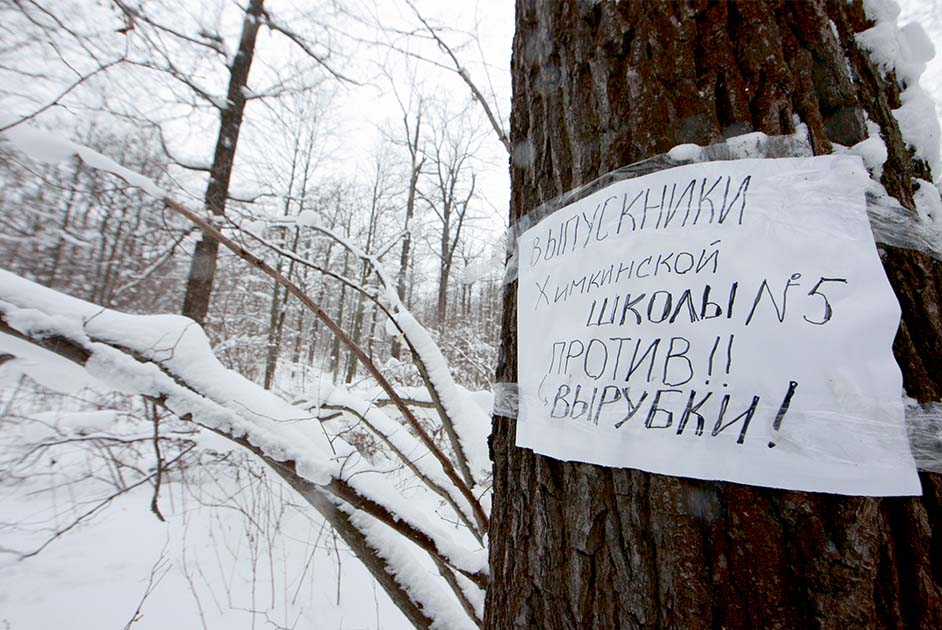 Poster protesting the logging of the Khimki Forest. February 2011. Anton Denisov / RIA Novosti
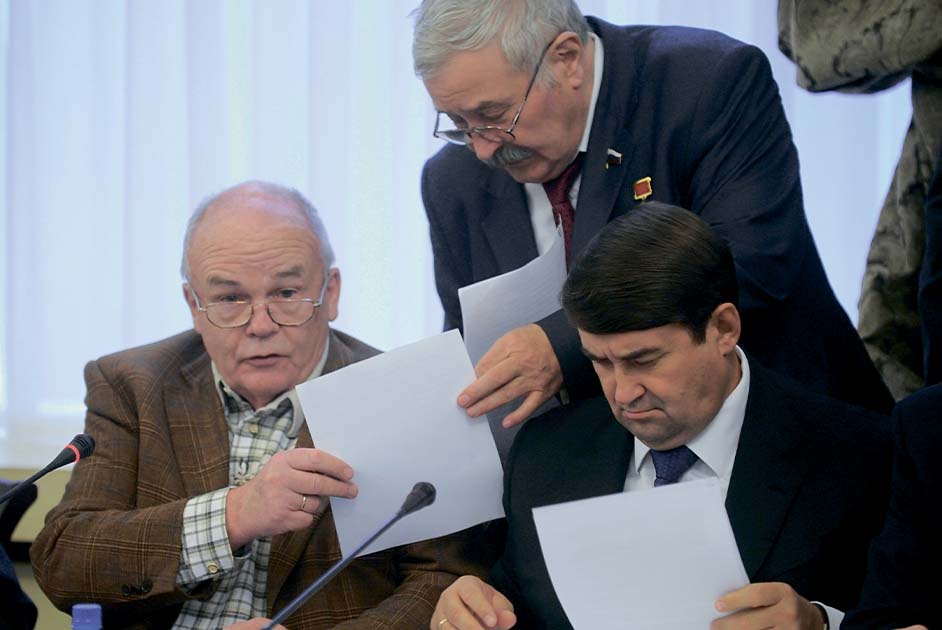 President of the Civic Chamber, Academician Evgeny Velikhov; Chair of the State Duma Committee of the Third Composition on Sustainable Development Issues, RAS Academician Mikhail Zalikhanov; and Minister of Transport of the Russian Federation Igor Levitin (left to right) at a session of the Civic Chamber of the Russian Federation, where hearings were held on the construction of the Moscow–Saint Petersburg express highway on the 15–58 km section passing through the Khimki Forest park zone. September 16, 2010. Grigory Sysoev / RIA Novosti
The System of Civic Chambers in Russia – in Action!
In 2010, the Council for Interaction between the Civic Chamber of the Russian Federation and civic chambers established in the constituent entities of the Russian Federation was created.
This Council united regional civil society institutions into a single system, and the Civic Chamber of Russia committed to providing informational and methodological support to the regional chambers.
As a result, the Council became the key platform for integrating the civic chambers of the constituent entities of the Russian Federation, establishing common standards for their work.
The Unified State Exam Without a Shadow of Doubt
One of the new initiatives was organizing public monitoring to ensure the objectivity and transparency of the Unified State Exam (USE).
In particular, the Civic Chamber engaged students, teachers, and parents as observers, developed guidelines, and opened a 24-hour "hotline."
It should be noted that in 2010, the call center received over 7,000 inquiries. The monitoring revealed serious violations in a number of constituent entities of the Russian Federation, and the results served as grounds for adjusting the organization of the exam.
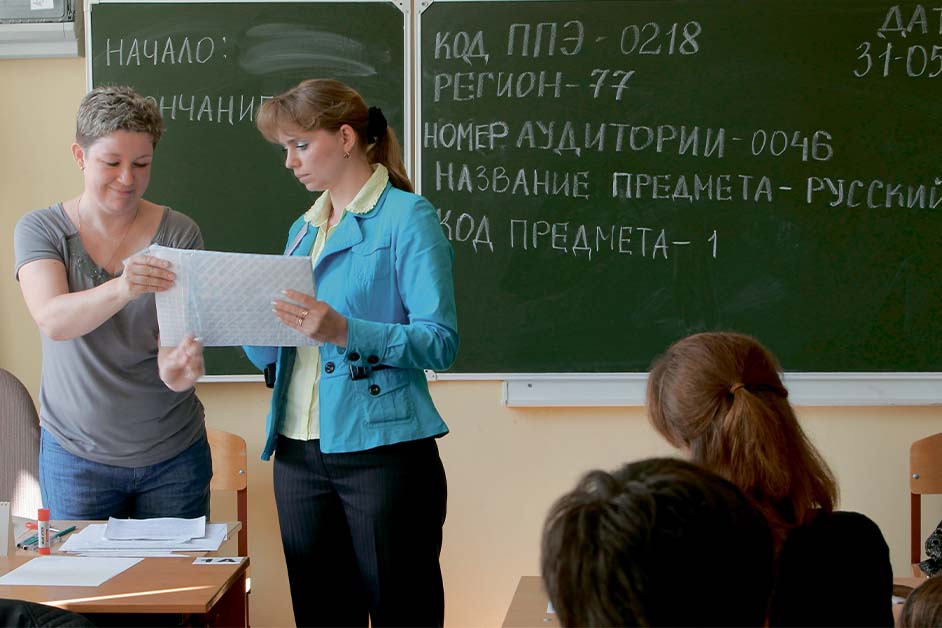 A briefing before the start of the Unified State Exam (USE) in Russian at Moscow School
No. 1251. May 31, 2010. Ilya Pitalyov /
RIA Novosti
A briefing before the start of the Unified State Exam (USE) in Russian at Moscow School
No. 1251. May 31, 2010. Ilya Pitalyov /
RIA Novosti
Participation in Improving Legislation
An important topic in 2010 was the draft law on protecting children from information harmful to their health and development. The relevant proposals from the Civic Chamber clarified definitions and the procedure for labeling informational products to avoid ambiguous interpretations.
Equally acute was the discussion on transferring property owned by the Russian Federation to religious organizations. In particular, the proposals from the Civic Chamber helped reach a compromise and reduce public tension surrounding these initiatives.
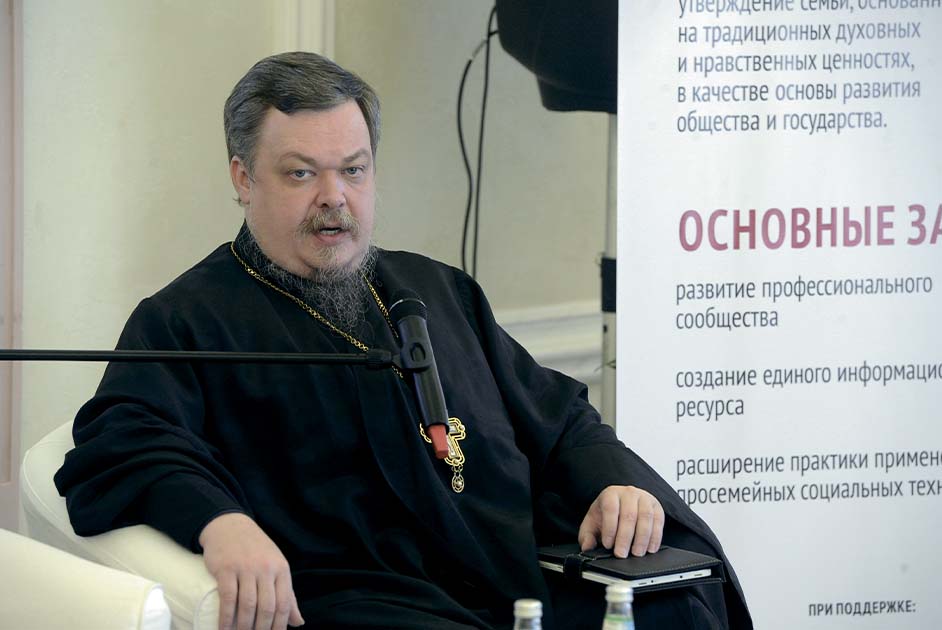 Member of the Civic Chamber of the Russian Federation, Archpriest Vsevolod Chaplin. May 31, 2010 / Press Service of the Civic Chamber of the Russian Federation
International Activities
On June 10, 2010, the Concept for the International Activities of the Civic Chamber was approved.
The Concept outlined the participation of Russian civil society structures in international organizations, the development of bilateral and multilateral ties, and the promotion of Russia’s image abroad. Particular attention in this area was paid to intercultural and intercivilizational dialog, which was aligned with the country’s overall foreign policy strategy.
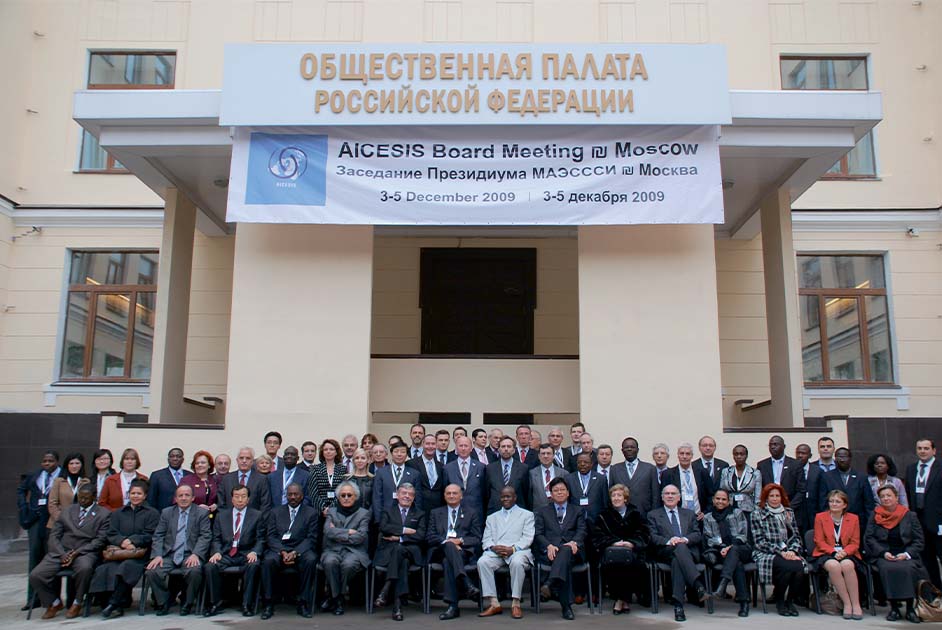 Meeting of the AICESIS Board at the Civic Chamber of the Russian Federation. December 3–5, 2009 / Press Service of the Civic Chamber of the Russian Federation
Shared Responsibility for Nature
The anomalous heat in the summer of 2010 led to massive forest fires in various parts of our country. The Civic Chamber did not stand aside, launching a nationwide campaign to collect aid for victims of the natural disaster. Nearly 300 million rubles were raised, enabling assistance to hundreds and thousands of people who had lost their homes and property. Funds came from individuals and legal entities, and their distribution was managed jointly with civic chambers of the constituent entities of the Russian Federation, the Ministry of Emergency Situations, and the Ministry of Health and Social Development of Russia.
Simultaneously, civil society activists drew the authorities’ attention to the root causes that led to the emergencies: chronic underfunding of forest protection and forestry services, aerial fire surveillance, and imperfections in forest legislation.
The Civic Chamber urged the authorities not to engage in a "witch hunt," endlessly punishing negligent officials responsible for forest management, but to initiate a comprehensive, systemic dialog on improving forest management nationwide. The activists’ call was heeded by the authorities!
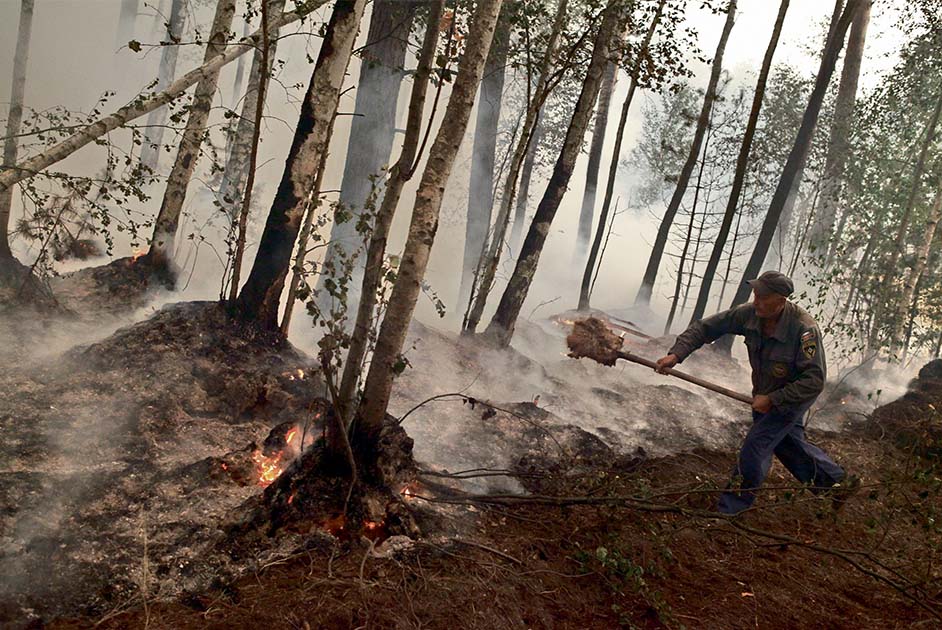 Fighting a forest fire near the settlement of Kriusha, Klepikovsky District, Ryazan Oblast. August 5, 2010. Andrey Stenin / RIA Novosti