"Community" Forums
In 2015, the Civic Chamber launched a new large-scale initiative—a series of annual forums for active citizens called "Community." The forums were held in all federal districts of the country and became a working platform for interaction between society, the state, and business. The main condition was maximum openness, and anyone could register for free to participate through the forum's website.
Over the year, about 4,000 activists took part in regional forums, and more than 5,000 participated in the final forum in Moscow. These meetings became a catalyst for public activity in the constituent entities of the Russian Federation, as they identified new opinion leaders, created a "social lift" for civil activists, and set a new benchmark for competition in the sphere of public initiatives.
Particularly significant was the final forum in Moscow, where activists and NPO representatives were able to communicate directly with President of Russia Vladimir Putin.
As part of the forum, a ceremony was held to award the "I am a Citizen" prize, established by the Civic Chamber. In 2015, the prize received 1,412 applications from 81 regions of the Russian Federation, with 14 civic activists from Moscow and St. Petersburg to small towns and villages being named winners. This marked a significant step towards recognizing and encouraging local initiatives that transform people's lives at the grassroots level.
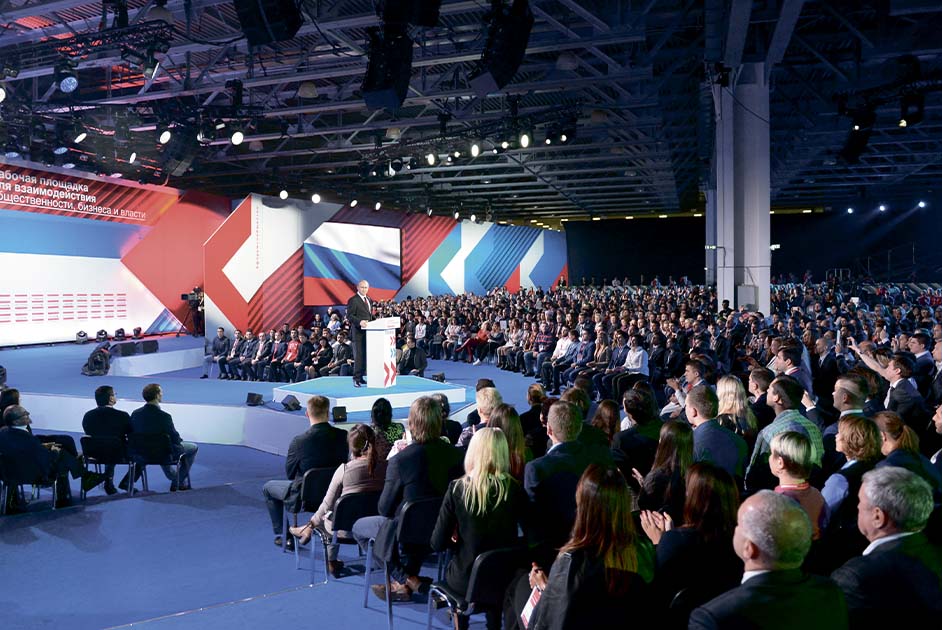 President of Russia Vladimir Putin addresses the participants of the "Community" forum. Moscow. November 4, 2015. Alexey Nikolsky / RIA Novosti
A Chance to Grow: What "Perspective" Offers
The same year, the Civic Chamber's large-scale public project "Perspective" was launched. Its main task was to identify and support constructive initiatives, replicate successful practices, and help civil society leaders find resources to implement their ideas. The project included four key areas: conducting large-scale research on the third sector, establishing the
"I Am a Citizen" award, providing individual mentorship for activists, and holding the "Community" forums as an integration platform for NPOs and initiative groups.
Already in its first year, "Perspective" demonstrated high effectiveness. The research conducted provided the most comprehensive picture of civic activity in Russia at that time - from registered NPOs to informal communities and initiatives on social media. The forums helped identify key systemic problems within the sector, as well as the best practitioners ready to share their experience with other regions.
President of Russia Vladimir Putin highly praised the project, noting its role in identifying NPO leaders engaged in beneficial activities in the regions and who have earned the trust of citizens.
Regulation, Funding, and Support for NPO Activities
In 2015, the Civic Chamber's special focus was on state regulation, funding, and reporting requirements for nonprofit organizations.
Work was conducted to address gaps in legislation hindering the development of the third sector and to create a more transparent and comprehensible system of support for NPOs.
These topics became central at the plenary sessions of the Civic Chamber in January and June 2015, as well as at the "Community" forums.
The Civic Chamber's initiative was supported by the President of Russia, who emphasized that systematizing information about NPOs' work, their projects, funding sources, and challenges would become "the foundation for the further successful development of the third sector," capable of operating alongside small businesses, state, and municipal institutions in addressing social issues.
Maintaining Funding for Socially Oriented NPOs
One of the key issues in 2015 was preserving subsidies for socially oriented NPOs. The Russian Ministry of Finance proposed discontinuing their funding, but the Civic Chamber opposed this initiative.
Members of the Civic Chamber signed an open letter to the President of Russia, requesting that the subsidies not be abolished.
As a result, they succeeded in defending them, and in April 2015, the Russian Ministry of Finance allocated 621 million rubles to the constituent entities of the Russian Federation for funding socially oriented NPOs.
This decision sent an important signal to the entire civil society about the significance of the third sector in the country's social policy.
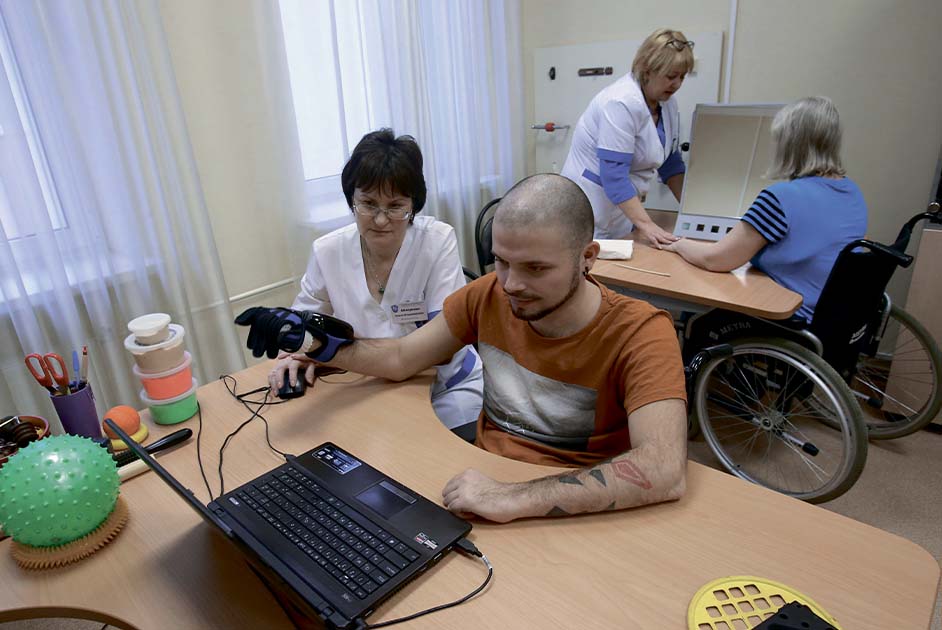 At the L. I. Shvetsova Scientific and Practical Center for Medical and Social Rehabilitation of the Disabled. December 4, 2015. Ekaterina Shtukina / RIA Novosti
Forming a "Roadmap" for Third Sector Development
The regional "Community" forums staged by the Civic Chamber in all federal districts became a unique platform for discussing the problems and prospects of NPO development. In total, more than eight thousand activists participated in the forums, and each could contribute proposals for forming a "roadmap" for third sector development.
The most pressing topics discussed at the forums concerned NPO funding and support, public oversight, the development of social entrepreneurship and volunteering, interaction with the media, and the activities of Public Supervisory Commissions. During the events and through feedback, the Civic Chamber collected over a thousand proposals. All were analyzed, synthesized, and presented at the final Moscow "Community" forum on November 3–4, 2015.
Thus, 2015 became for the Civic Chamber a time of strengthening the dialog between the state and civil society in the sphere of NPOs, as well as a stage in building a systematic approach to their support and development.
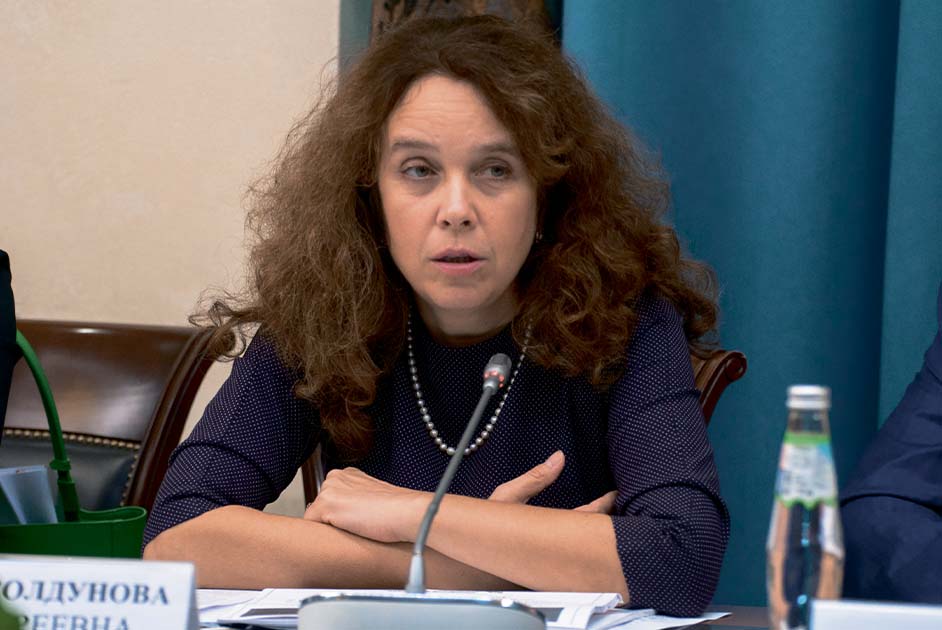 Member of the Civic Chamber Elena Topoleva-Soldunova at one of the public debates on third sector development issues. 2015 / Press Service of the Civic Chamber of the Russian Federation
Formalizing the Ability of SO NPOs to Provide Social Services
Effective January 2015, amendments to Federal Law No. 442-FZ of December 28, 2013, "On the Fundamentals of Social Services for Citizens in the Russian Federation," came into force. The amended version of the document became a turning point for the entire social sphere, as it not only provided clear definitions for the terms "social service," "recipient," and "social service provider," but also for the first time formalized the right of socially oriented nonprofit organizations to act as official providers of such services. Previously, the share of non-state actors in this field was negligible—less than 1%. The amendments laid the groundwork for creating registries of social service providers and essentially opened the way for NPOs to participate systematically in addressing tasks that were previously considered the exclusive function of the state.
The Civic Chamber was among the main initiators of these changes and immediately engaged in monitoring their implementation. The results of 2015 showed that the constituent entities of the Russian Federation demonstrated varying approaches in the sphere of social services, and the mechanisms for transferring functions to NPOs were not yet fully clear.
However, the very fact of involving nonprofit organizations in social services became a major milestone in the development of the third sector.
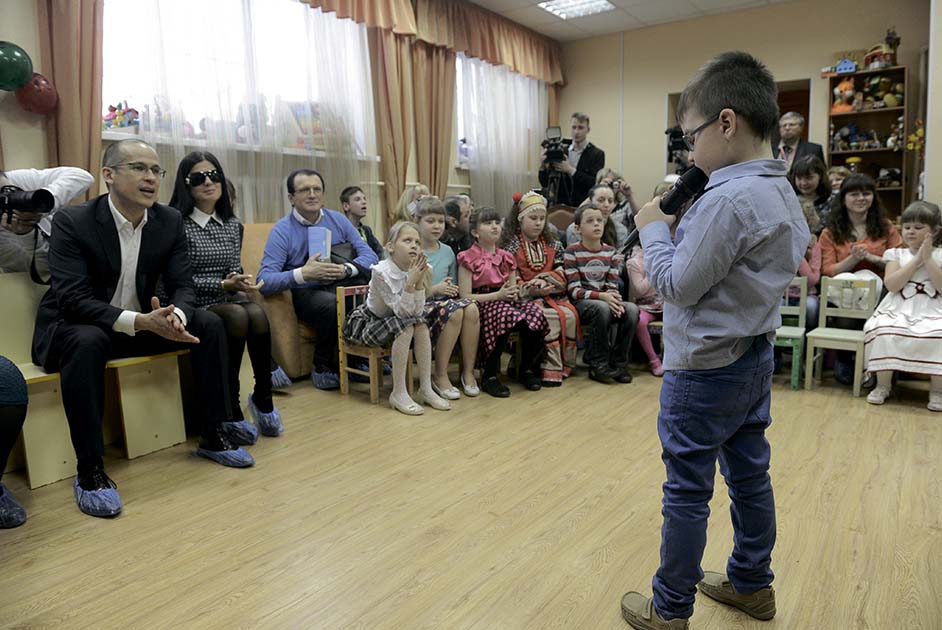 Alexander Brechalov and Diana Gurtskaya visit the Nizhny Novgorod Regional Public Organization of Parents of Visually Impaired Children "Perspective." March 2015 / Press Service of the Civic Chamber of the Russian Federation
NPO Support Centers in the Constituent Entities of the Russian Federation
Continuing the theme of systemic change in the nonprofit sector, the Civic Chamber proposed creating NPO support centers in every region of the country. Such centers were intended to assist organizations with day-to-day tasks: providing legal and analytical support, organizing educational programs, offering grant application counseling, and facilitating access to premises and equipment on preferential terms.
The idea was simple: if a region has a stable support infrastructure, NPOs would be able not only to carry out their activities but also to develop, replicate successful practices, and interact more effectively with the state and business.
In a number of regions, such centers had already begun operating, and where they were just being established, the Civic Chamber called for leveraging existing resource platforms.
Promoting Social Entrepreneurship
An important focus for the Civic Chamber in 2015 was the promotion and development of social entrepreneurship. This topic was discussed at each of the nine "Community" forums. The Civic Chamber aimed to become one of the promoters of the idea of social entrepreneurship among NPOs, not only by highlighting gaps in legislation in this sphere but also by disseminating best practices in social entrepreneurship.
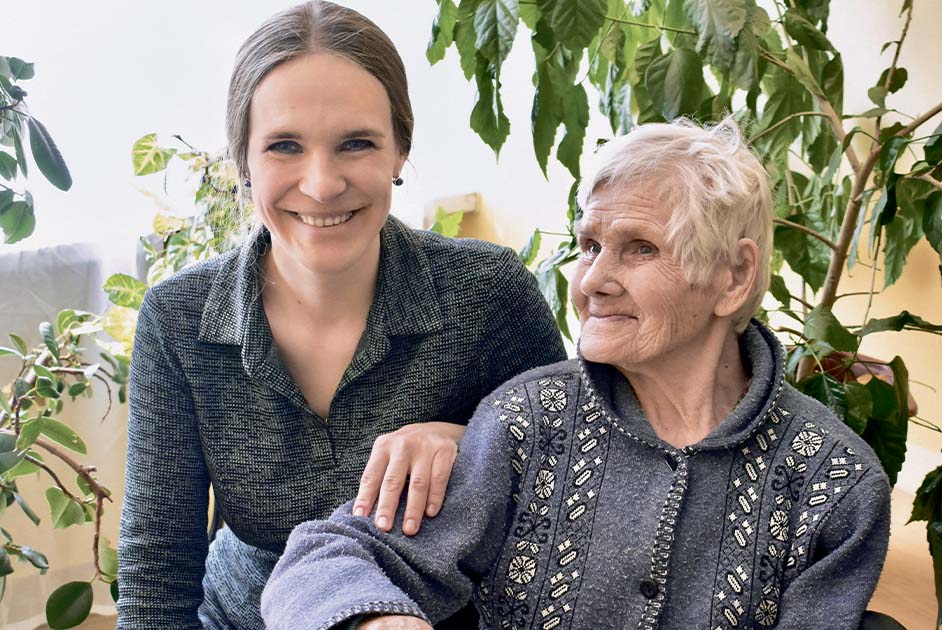 Member of the Civic Chamber of the Russian Federation, Director of the "Old Age in Joy" Charitable Foundation for Assisting the Elderly and Disabled, Elizaveta Oleskina with one of the foundation's beneficiaries. Daria Rotocheva / Press Service of the "Old Age in Joy" Charitable Foundation
Aid to Residents of Donbass Affected by Hostilities
The events in Ukraine in 2015 could not go unnoticed by the Civic Chamber. A humanitarian aid collection point was organized in Moscow on the Civic Chamber's premises: food, clothing, medicine, and essential goods were sent directly to families displaced from Donbass.
The Civic Chamber's hotline played a special role, through which over 600 Ukrainian citizens who found themselves in Russia were able to receive assistance in resolving legal, everyday, and social problems.
That same year, with the participation of human rights organizations, an Information and Advisory Center for Judicial Protection of Ukrainian Residents was established under the Civic Chamber. Its main task was to assist in preparing and submitting complaints to the European Court of Human Rights in Strasbourg. This activity demonstrated that public institutions can provide not only humanitarian but also legal protection for victims in conflict situations.
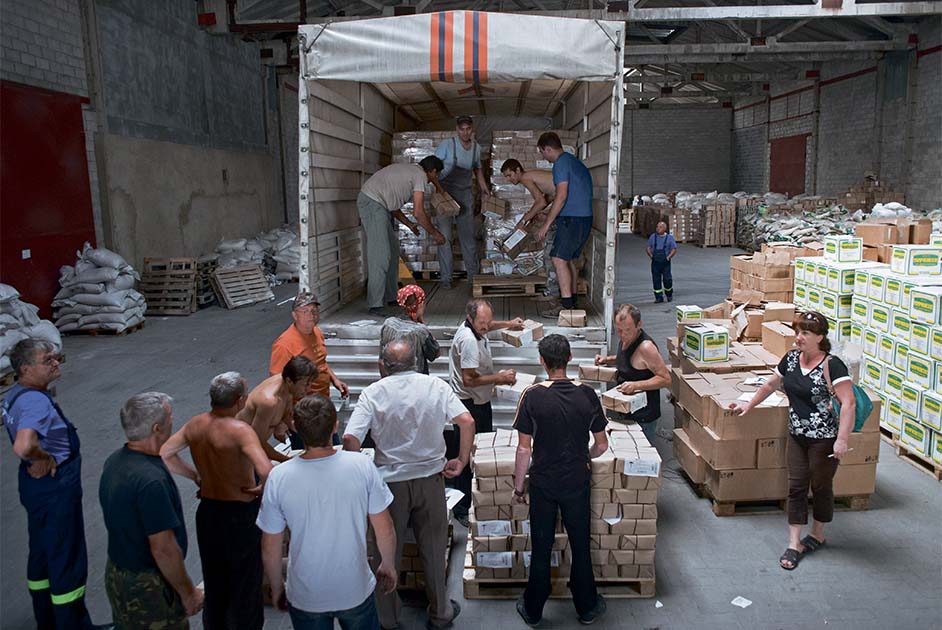 Volunteers unload one of the vehicles from the 37th humanitarian convoy of the Russian Ministry of Emergency Situations, which arrived in Makeyevka, a satellite city of Donetsk. August 27, 2015.
Ilya Pitalyov / RIA Novosti
Volunteers unload one of the vehicles from the 37th humanitarian convoy of the Russian Ministry of Emergency Situations, which arrived in Makeyevka, a satellite city of Donetsk. August 27, 2015.
Ilya Pitalyov / RIA Novosti
Establishment of a Federal Corporation for the Development of Small and Medium-Sized Businesses
On the initiative of business associations and with the active support of the Civic Chamber, the Federal Corporation for the Development of Small and Medium-Sized Businesses was created.
Its mission was to unite the efforts of the state and business and to make support for small and medium-sized enterprises more systematic, transparent, and targeted.
The Civic Chamber participated in developing the corporation's concept, acting as a mediator between the authorities and the business community. This laid the groundwork for a new model of interaction where the voice of business directly influenced the formation of state policy.
The Civic Chamber's proposals formed the basis for developing sustainable models to support civil society and economic actors amid crisis conditions.
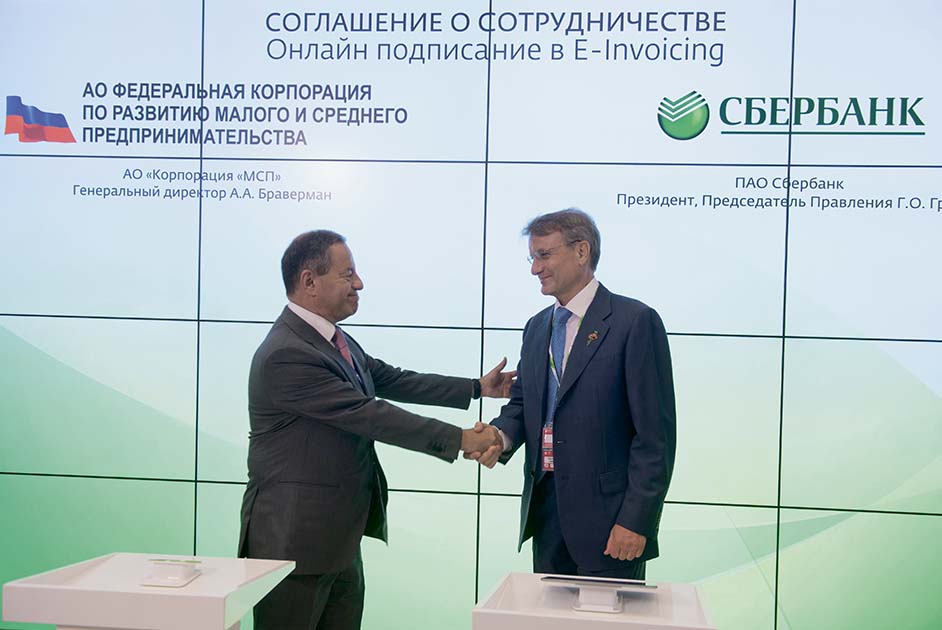 General Director – Chairman of the Management Board of "SME Corporation" JSC Alexander Braverman (left) and President, Chairman of the Management Board of Sberbank of Russia Herman Gref during the signing of a cooperation agreement at the XX St. Petersburg International Economic Forum. June 16, 2016. Ilya Pitalyov / RIA Novosti
"Resetting" public councils
Another priority in 2015 was the "reset" of public councils under federal executive authorities.
On the instruction of the President of Russia, the process of their renewal began. The goal was to transform the councils into an effective instrument of public oversight and to engage active representatives of NPOs in their work.
In 2015–2016, the Civic Chamber, together with the Government Commission on Coordinating the Activities of the Open Government, prepared the Standard for Public Council Activities and the Regulations on the Competitive Selection of its Members. In collaboration with the Expert Council under the Government of Russia, proposals were developed to regulate the procedure for establishing and functioning of these bodies.
Thus, public councils ceased to be ostensible structures and turned into a real mechanism for engaging civil society in state decision-making.
Public Oversight over Waste Management
The problem of waste management became one of the most pressing environmental issues in modern Russia and received special attention from the Civic Chamber in 2015.
In particular, in the spring, a public expert review was conducted of draft Russian Government resolutions on licensing activities in the sphere of managing waste of hazard classes I–IV and on the procedure for collecting the environmental fee.
The most heated discussions centered on the proposal to introduce licensing for all types of waste management activities. Civil society activists insisted that the measures must be well-considered, otherwise the risks of monopolization and price increases in the industry could harm both businesses and citizens. Following the debates, the Civic Chamber proposed creating a mechanism for permanent public oversight in this sphere and a system for training public inspectors. All recommendations were compiled into a single document and submitted to the Presidential Administration, the Government of the Russian Federation, and relevant ministries. This was the first step towards forming a civilized and transparent system of public environmental supervision.
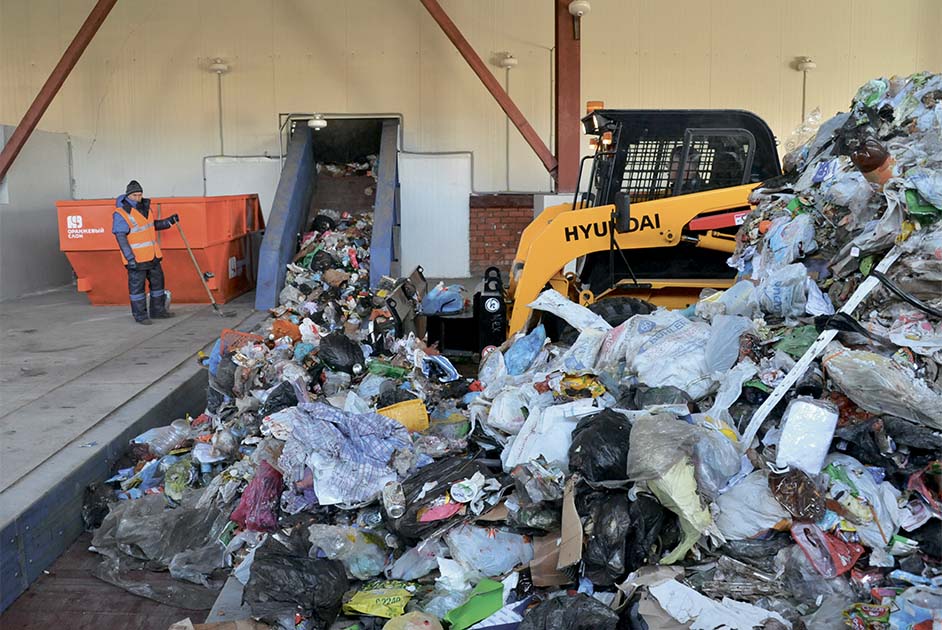 Launch of the first waste sorting plant in Transbaikal. Chita. November 2, 2015.
Evgeny Epanchintsev / RIA Novosti
Launch of the first waste sorting plant in Transbaikal. Chita. November 2, 2015.
Evgeny Epanchintsev / RIA Novosti
Development of the Far Eastern Territories
Development of the Far East remained among the priority areas.
The agenda included several initiatives at once—from creating Advanced Special Economic Zones (ASEZs) to the "Far Eastern Hectare" program. The Civic Chamber engaged in work on the draft laws even before their first reading. During the discussion of the ASEZ law, the emphasis was on the need to involve residents and local communities in decisions about the region's future. When considering the "Far Eastern Hectare" program, the Civic Chamber's experts stressed that the land program should be maximally accessible and avoid creating administrative barriers for citizens.
By the second reading in 2016, many of the Civic Chamber's proposals were incorporated into the draft laws' texts, for example, securing the right to file an application for property registration free of charge. Thus, the participation of civil society activists helped make the legislation more socially oriented and understandable for citizens.
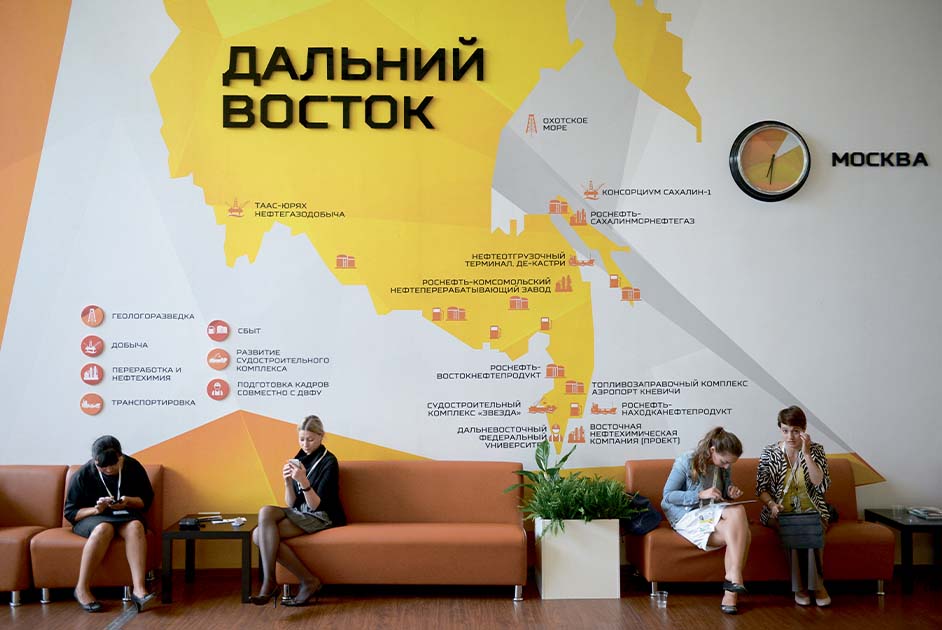 Start of the academic year at the Far Eastern Federal University. Russky Island.
September 2015. Alexander Kryazhev / RIA Novosti
Start of the academic year at the Far Eastern Federal University. Russky Island.
September 2015. Alexander Kryazhev / RIA Novosti
Report "National Human Capital and New Sources of National Competitiveness"
Marking the conclusion of Russia's presidency of the International Association of Economic and Social Councils and Similar Institutions (AICESIS), the Civic Chamber prepared a comprehensive report titled "National Human Capital and New Sources of National Competitiveness."
The document examined education, healthcare, and social development as key factors for the long-term competitiveness of nations. The report was the result of not only in-depth expert-analytical work but also of the broad international dialog conducted during the presidency. For Russia, this was an opportunity to present its approach to human capital development and propose it as a basis for global discussion.
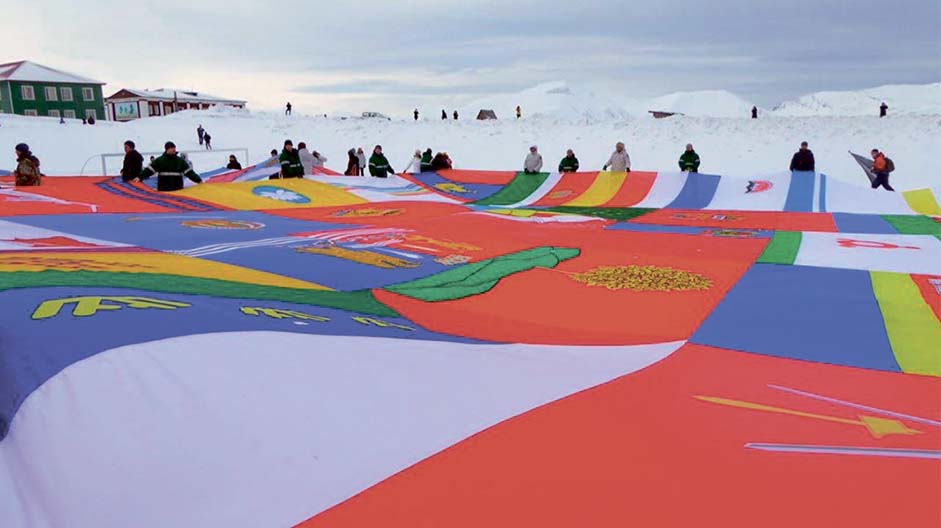 Members of the Civic Chamber of the Russian Federation participate in unfurling the largest Russian flag, measuring 1052 square meters, along with 85 symbols of different regions as part of the cultural-patriotic project "Arctic-2015" / Press Service of the Civic Chamber of the Russian Federation