Monitoring the Implementation of National Projects
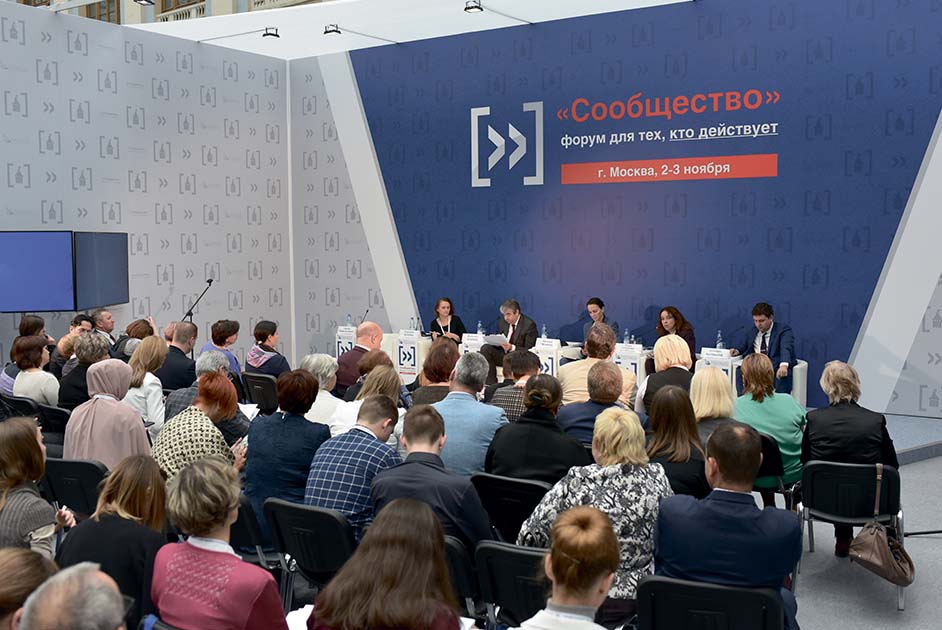 Section "National Projects in the Social Sphere: State Priorities, Opportunities for Society" at the "Community" forum in Moscow.
November 2, 2018 / Press Service of the Civic Chamber of the Russian Federation
Section "National Projects in the Social Sphere: State Priorities, Opportunities for Society" at the "Community" forum in Moscow.
November 2, 2018 / Press Service of the Civic Chamber of the Russian Federation
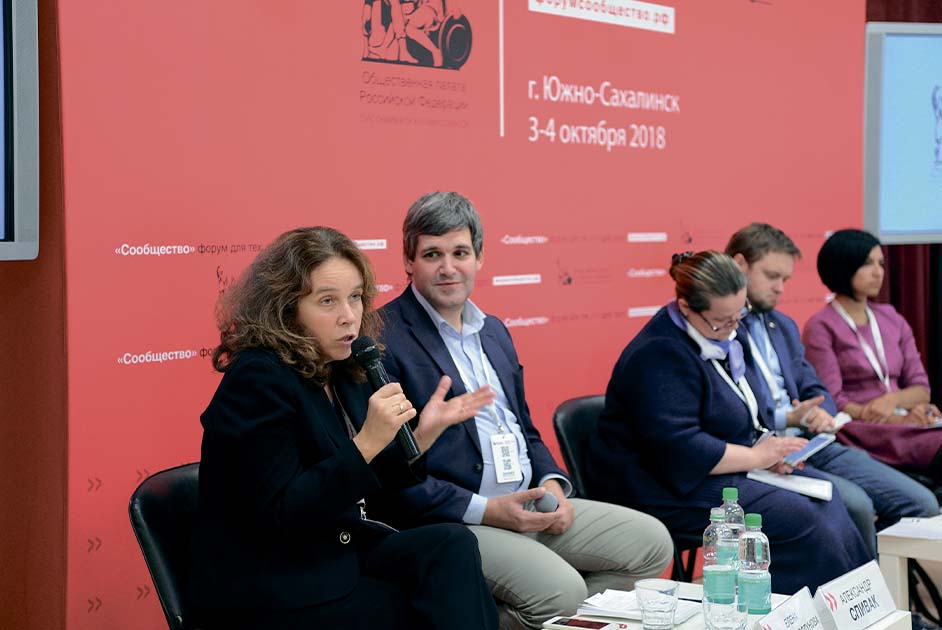
Achieving the goals of the national projects, outlined in the May decree of the President of Russia, became the central socio-political task of the country.
The Civic Chamber, together with the civic chambers of the constituent entities of the Russian Federation, engaged in monitoring the implementation of the projects, helping civil society articulate its interests and transform them into concrete proposals for the authorities.
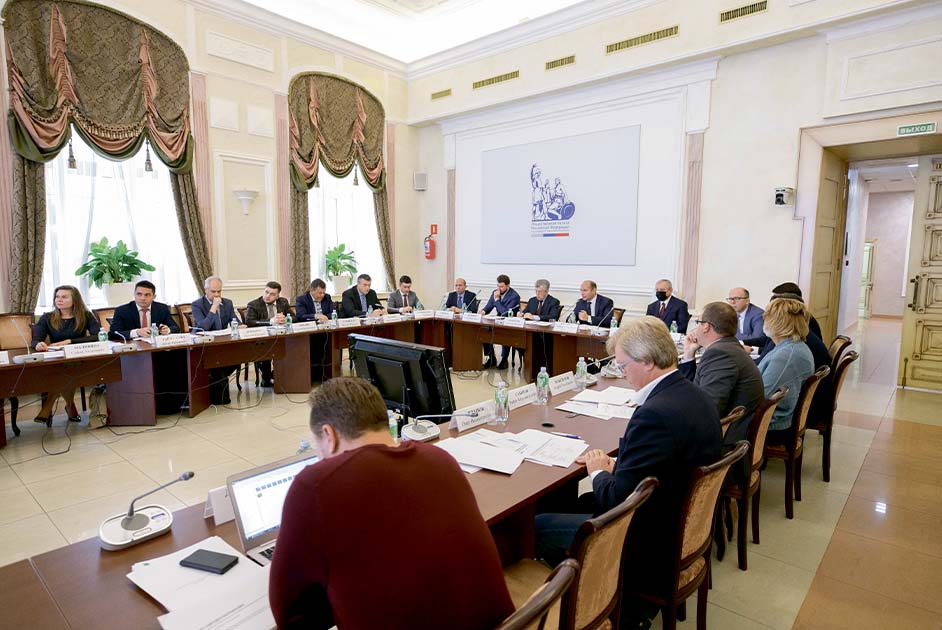 First meeting of the Coordinating Council under the Civic Chamber of the Russian Federation on National Projects and Population Sustainability. September 9, 2020 / Press Service of the Civic Chamber of the Russian Federation
150,000 Observers at the Russian Presidential Election
In 2018, the Civic Chamber gained the authority to deploy independent public observers to polling stations to monitor the voting process.
A large-scale training program was undertaken across the country to train observers, including seminars, round tables, and practical training sessions.
The "Golden Standard of Public Observation" was developed—a simple questionnaire that enabled an observer to monitor the key parameters of the voting process at a polling station: before opening, during voting, and during the vote count.
In total, over 150,000 public observers were trained and deployed to polling stations. All-Russian public organizations, regional and municipal NPOs collaborated with the Civic Chamber of Russia and regional chambers on recruiting and training observers under relevant agreements. Similar agreements were signed by the Civic Chamber with political parties.
Public observation during the 2018 presidential election became the first large-scale experience of civil society’s participation in monitoring electoral procedures.
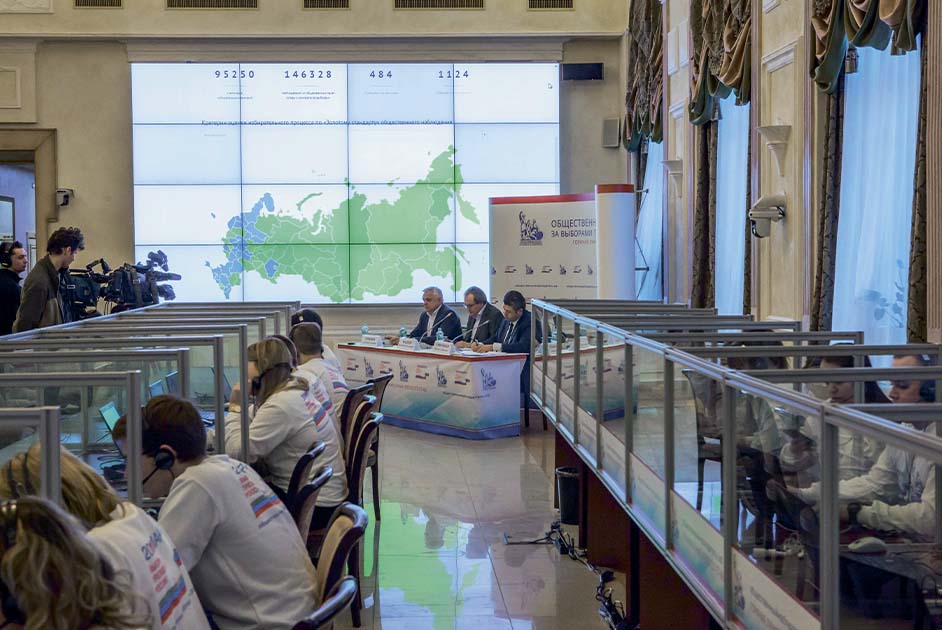 Volunteers at the Monitoring Center for Public Observation of the Russian Presidential Election in contact with observers at polling stations. March 18, 2018 / Press Service of the Civic Chamber of the Russian Federation
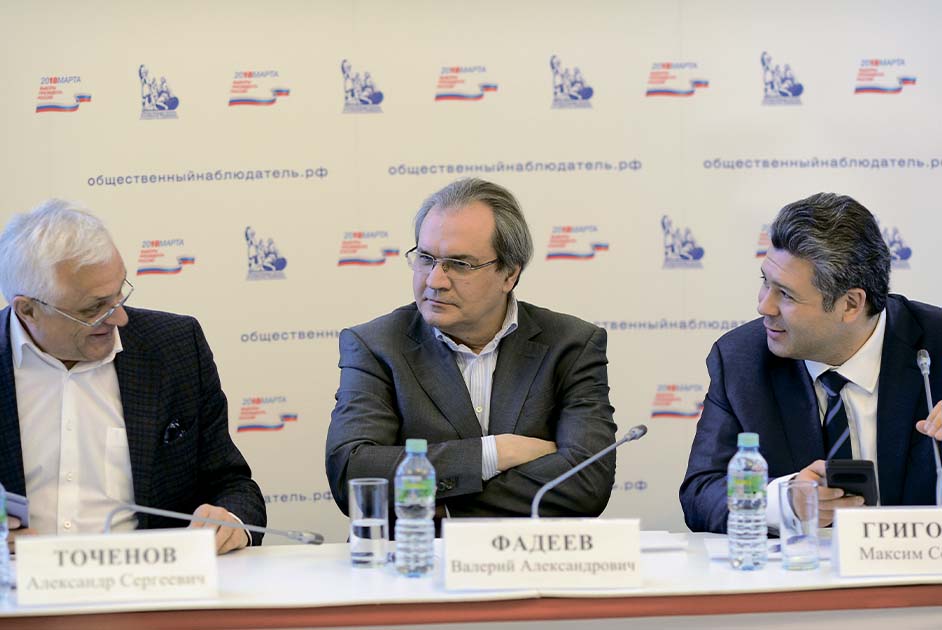 Vice President of the Civic Chamber of the Russian Federation Alexander Tochenov, President of the Civic Chamber of the Russian Federation Valery Fadeev, and Deputy Head of the Civic Chamber’s Working Group for Monitoring the Implementation of Citizens’ Electoral Rights Maxim Grigoriev in the Monitoring Center for Public Observation of the Russian Presidential Election at the Civic Chamber of the Russian Federation. March 18, 2018 / Press Service of the Civic Chamber of the Russian Federation
Pension Age Increase: Civic Chamber’s Proposals Taken into Account!
The 2018 pension reform sparked widespread public debate. The Civic Chamber engaged in the discussion by organizing a platform for experts, NPOs, trade unions, and regional chambers.
The result was a list of 27 substantive questions and proposals to the Government of Russia, covering age discrimination in employment, the state of regional labor markets, opportunities for retraining, the role of labor migrants, support for families with children, youth unemployment, and other socio-economic aspects. The public address by the President of Russia in August 2018 and subsequent changes to pension legislation demonstrated the importance of the proposals developed during the discussions at the Civic Chamber. The pension reform became an indicator of how institutionalized public discussion can significantly influence state policy in addressing socially significant issues.
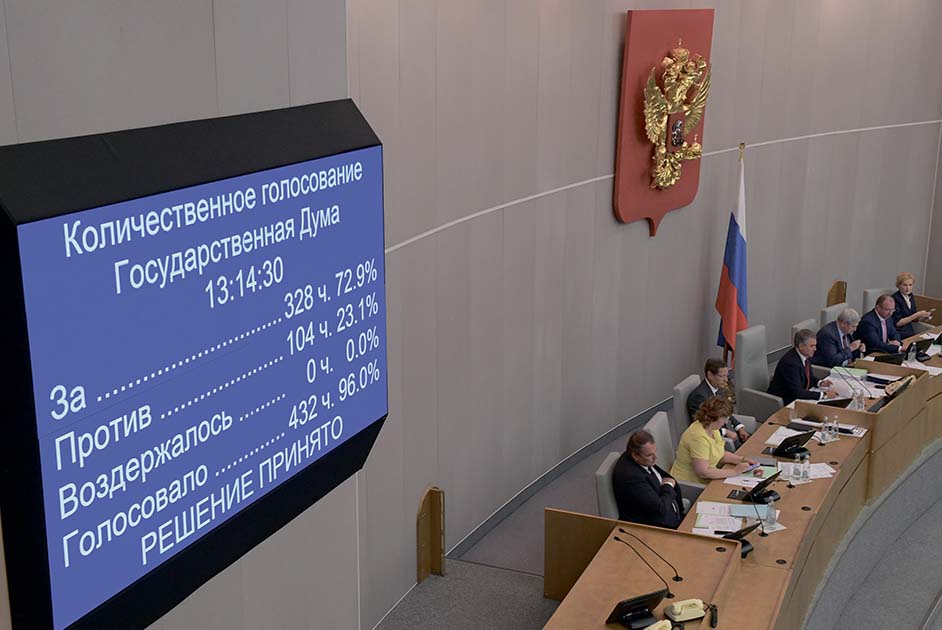 Scoreboard showing the voting results for the first reading of the pension reform bill at a plenary session of the State Duma of the Russian Federation.
July 19, 2018. Vladimir Fedorenko / RIA Novosti
Scoreboard showing the voting results for the first reading of the pension reform bill at a plenary session of the State Duma of the Russian Federation.
July 19, 2018. Vladimir Fedorenko / RIA Novosti
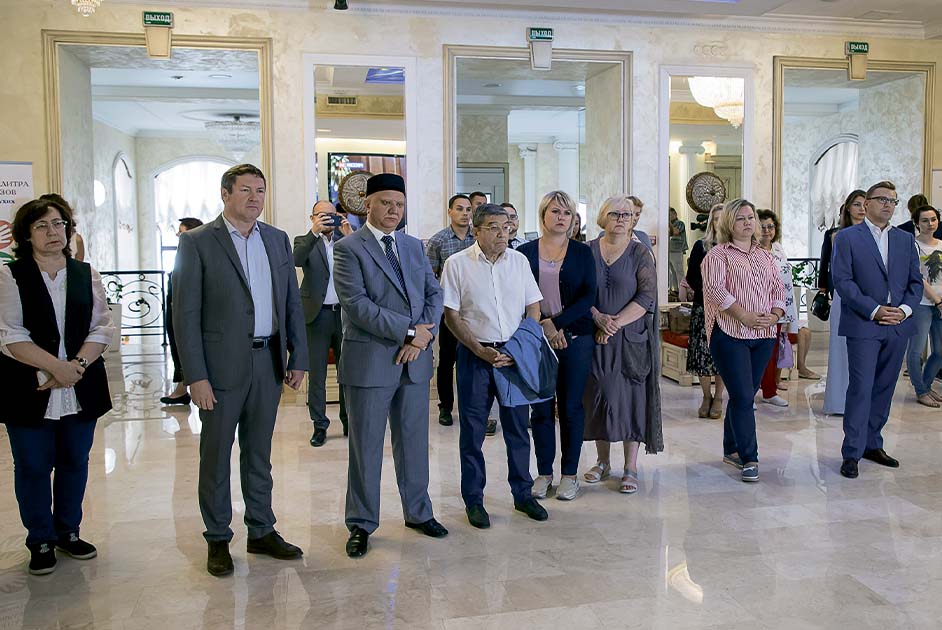 The Civic Chamber’s Proposals on Pension Reform Were Taken into Account! Members of the Civic Chamber watch the live broadcast of the President of Russia’s address to citizens regarding pension reform. August 29, 2018 / Press Service of the Civic Chamber of the Russian Federation
Towards People with Disabilities
In the autumn of 2017,
a hotline for issues related to medical and social assessment began operating at the Civic Chamber.
Over three months, about a thousand inquiries from citizens with disabilities were registered. Complaints concerned denials of disability status, excessive formalism, and bureaucratic hurdles.
The Civic Chamber initiated a discussion of the problem at the federal level, involving relevant ministries, human rights, and medical organizations. As a result, a Resolution of the Government of Russia was adopted, simplifying the procedure for establishing disability and reassessment. For many citizens, the need for annual reassessments was eliminated, reducing administrative pressure and emotional strain.
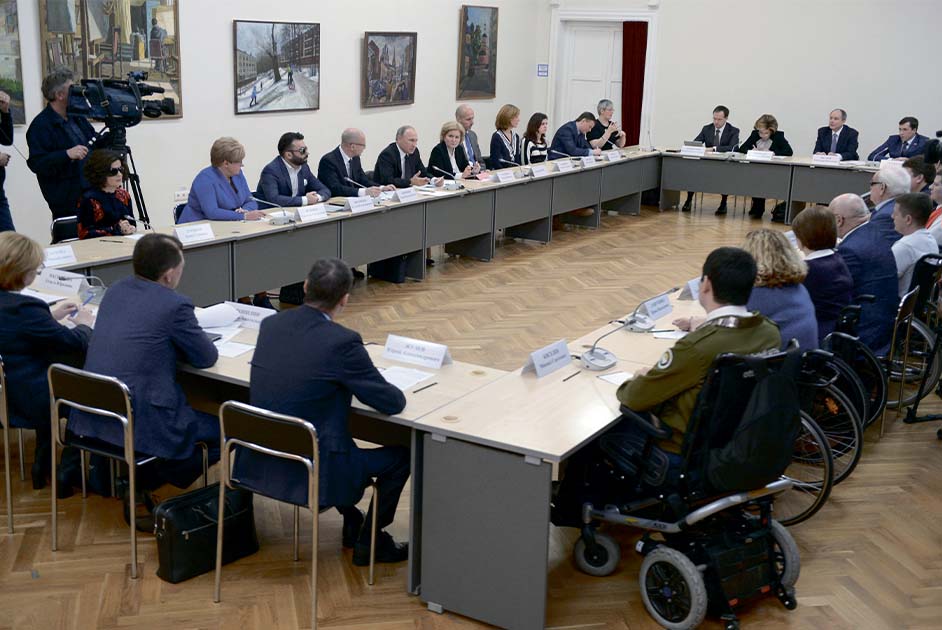 Meeting of the President of Russia with representatives of public organizations for persons with disabilities. December 5, 2017. Alexey Nikolsky / RIA Novosti
Civic Chamber and the "Waste Reform"
2018 was marked by the development of a large-scale reform for managing solid municipal waste. The Civic Chamber engaged in the process at the peak of public concern. Together with the All-Russian People’s Front and the Presidential Council for Civil Society and Human Rights Development, measures for processing municipal solid waste (MSW) were analyzed, and proposals for considering public opinion when constructing waste processing facilities were formulated.
Over eight thousand citizen inquiries were received on the Civic Chamber’s hotline. Citizens complained about non-transparent decisions, environmental risks, and the construction of landfills without considering the opinion of local communities. These inquiries were discussed at "Community" forums, round tables, and meetings of public councils under regional government bodies.
The Civic Chamber formulated and submitted proposals to the authorities regarding ensuring the harmonization of citizens’ interests when changing the rules for MSW management. One of the key ideas was the creation of a specialized Public Legal Company (PLC) for managing municipal waste. This proposal from the Civic Chamber was soon implemented.
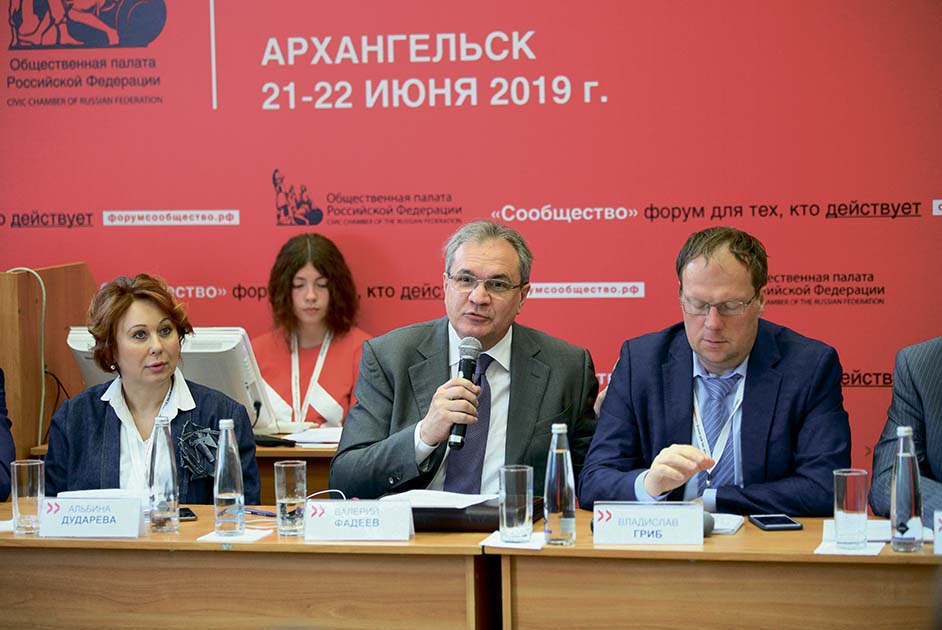 One of the central topics at the "Community" forum in Arkhangelsk was the discussion of MSW management issues. June 22, 2019 / Press Service of the Civic Chamber of the Russian Federation