"Zero Readings" of Draft Laws
One of the most significant innovations in the Civic Chamber's activities was the establishment of the "zero readings" mechanism. This format of public expert review, as its name suggests, involves discussing draft laws even before their first reading in the State Duma, with the participation of experts, representatives of professional communities, businesses, scholars, and civil activists.
The practice of "zero readings" gained traction in 2014—five such readings were conducted. In his Address to the Federal Assembly, the President of Russia specifically emphasized the importance of this mechanism as a form of genuine dialog between the state and society. Already in 2015, the institution of "zero readings" became fully operational: the Civic Chamber conducted 39 discussions in this format, creating an additional mechanism for influencing the legislative process.
Support and Development of NPOs
In 2014–2015, the Civic Chamber paid special attention to the development of the nonprofit sector.
Specifically, the Civic Chamber's platform was used to develop proposals for forming an NPO support infrastructure, training staff, and creating new public oversight mechanisms. Some of these initiatives were reflected in regulatory legal acts. Among them were additional support measures for socially oriented NPOs, the creation of a registry of "reliable suppliers" of social services, and the establishment of a specialized grant operator to support social projects in small towns and rural areas. These steps contributed to building a sustainable system of interaction between the state and the third sector, strengthening trust in public organizations as full-fledged partners in addressing social issues.
Preservation of Monuments and Cultural Heritage Sites
In October 2014, after years of discussion, Federal Law No. 315 of October 22, 2014, "On Amending the Federal Law 'On Cultural Heritage Sites (Historical and Cultural Monuments) of the Peoples of the Russian Federation' and Certain Legislative Acts of the Russian Federation," was adopted. Its adoption was the result of persistent work by the Civic Chamber, the All-Russian Society for the Protection of Monuments, and other public organizations.
The law introduced mechanisms to ensure the preservation of monuments in any transactions involving them, established procedures for public access to cultural heritage sites, and provided for compensation for conscientious owners investing in restoration.
The Civic Chamber had been advocating for the adoption of this legislative act for over four years, uniting specialists and the public around the issue of cultural heritage protection.
 Activists of "Arknadzor" (Architectural Supervision) climbed onto the dome of the Volkonsky House on Vozdvizhenka Street to prevent its demolition, which they deemed illegal.
June 25, 2013. Vladimir Astapkovich / RIA Novosti
Activists of "Arknadzor" (Architectural Supervision) climbed onto the dome of the Volkonsky House on Vozdvizhenka Street to prevent its demolition, which they deemed illegal.
June 25, 2013. Vladimir Astapkovich / RIA Novosti
Public Monitoring of Higher Education Quality
Federal Law No. 212-FZ of July 21, 2014, "On the Fundamentals of Public Oversight in the Russian Federation," provided a legal basis for more systematic citizen participation in monitoring social processes. A vivid example of this was the Civic Chamber's monitoring of the labor market demand for professions. Civil society activists identified a mismatch between graduate training and the economy's needs. Over a million young professionals found themselves unemployed, while businesses urgently required skilled personnel. The Civic Chamber organized a series of hearings on the topic "Public Oversight of Higher Education Quality," which brought together representatives of employers, higher education institutions, and state authorities on a single platform. This made it possible to identify solutions to the problem, including adjusting educational programs, forming new professional standards, and encouraging the academic community to engage more closely with the labor market.
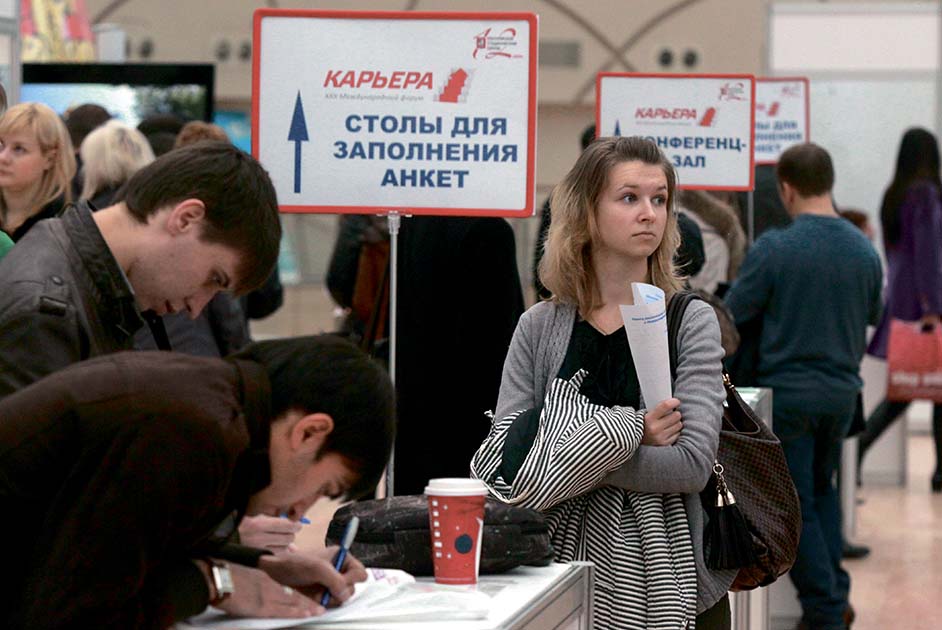 Visitors at the 30th Anniversary International "Career" Forum in the "Afimall City" shopping center in Moscow. November 7, 2012. Ruslan Krivobok / RIA Novosti
Project "Russian Corner"
Experts of the Civic Chamber have repeatedly noted that promoting the Russian language requires supporting the establishment of its study centers in neighboring countries, as well as training local educators in Russian language teaching methodologies.
Within the framework of the Year of Literature, the Civic Chamber, together with the Russian Peace Foundation, launched the "Russian Corner" project.
This initiative is aimed at disseminating and preserving the Russian language abroad through multimedia educational aids.
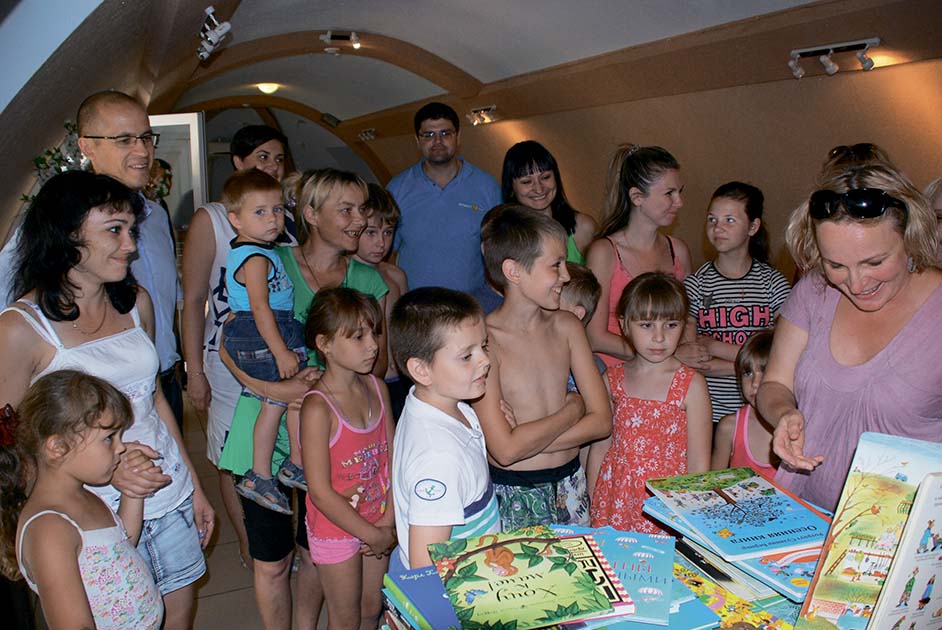
Launched in December 2014, the joint project of the Civic Chamber of the Russian Federation and the Russian Peace Foundation, "Russian Corner," has reached over 50 educational institutions in more than two dozen countries, including Austria, Azerbaijan, Armenia, the United Kingdom, Georgia, the Dominican Republic, India, Spain, New Zealand, the United Arab Emirates, Slovakia, the United States, Turkey, Ukraine, France, Croatia, Estonia, and South Korea. As part of the project, multimedia and printed educational materials on the Russian language and other subjects in Russian were delivered to these institutions in 2016.
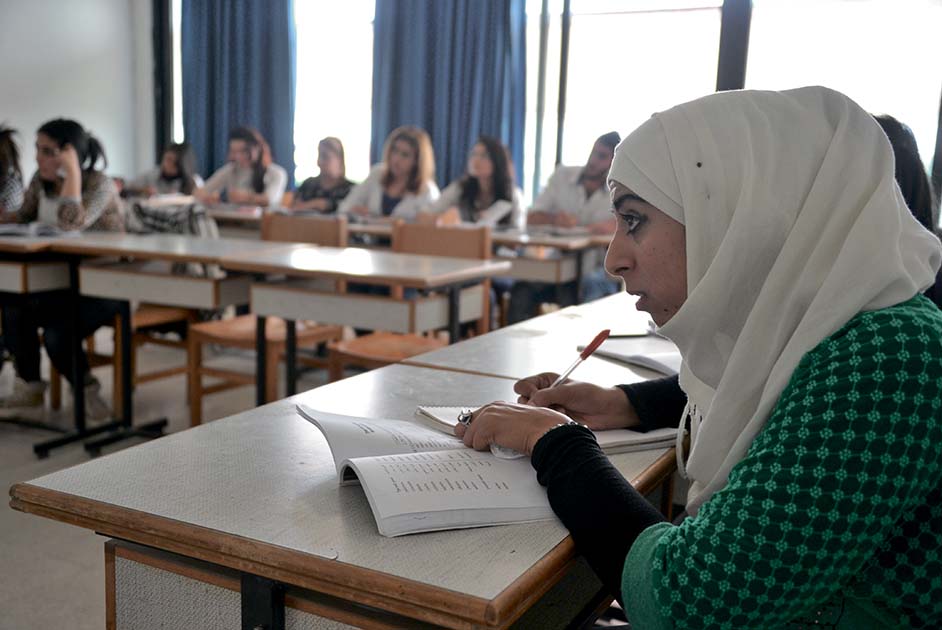 Students of the Institute of Foreign Languages at Tishreen University in Latakia (Syrian Arab Republic) during a Russian language lesson. November 5, 2014. Dmitry Vinogradov / RIA Novosti
Modernization of the Tourism Industry
In September 2014, following public discussions at the Civic Chamber, the Government of Russia adopted a resolution obliging tour operators to provide tourists with all necessary documents, including return flight tickets, at least 24 hours before the start of their trip. Additionally, as a result of these discussions, an expert task force was established to oversee the reform of the tourism industry and protect the rights of affected citizens.