State Support for Nonprofit Organizations
The idea of creating a system of grant support for NPOs in Russia was voiced in July 2005 at a meeting of the Presidential Council for Civil Society and Human Rights. The expert community proposed establishing special budgetary funds to allocate grants among nonprofit organizations. The President of Russia supported the initiative, and by 2006 the new funding system was operational. The Civic Chamber became the first operator of the presidential grants competition. The competition immediately garnered significant interest. In 2006, applications were submitted by 2,035 organizations, of which 545 received state support. The total funding amounted to 472.7 million rubles, distributed across 1,054 projects. On December 15, 2006, the President of Russia signed an order approving the list of NPOs and the allocation of funds for their state support.
In subsequent years, the model of state support for the nonprofit sector continued to evolve. As early as 2007, the functions of the sole operator of presidential grants, previously performed by the Civic Chamber, were transferred to several specialized NPOs. Six thematic competitions were held with a total funding pool of 1.25 billion rubles, attracting nearly 4,200 applications; support was granted to 1,225 organizations.
A significant milestone was reached in 2017, when, by Decree of the President of Russia, the Presidential Grants Foundation was designated as the unified operator for grant competitions.
Today, the Foundation stands as the largest institution supporting the social sphere in Russia, fostering a sustainable funding system for tens of thousands of NPOs across the country. Moreover, in recent years, new development institutions have emerged: the Presidential Foundation for Cultural Initiatives, the Internet Development Institute, the Presidential Foundation for Nature, among others. Regions and socially responsible businesses have also begun implementing their own grant programs.
Improvement of Legislation in the Sphere of Charity
An equally important focus of work in 2006 was the improvement of the regulatory and legal framework for the development of charitable activities. During the first plenary session of the Civic Chamber, the President of Russia emphasized
that patronage and charity in the country were undervalued and in need of substantial support.
In this regard, the Civic Chamber identified the preparation of a draft law on endowment (target capital) as one of its priorities. As early as June 2006, a round table was held at the Civic Chamber's platform, where the concept of the future law was publicly discussed for the first time. In the autumn, the discussions continued in the format of public hearings and expert consultations. To involve as many participants as possible in the dialog, a broad information campaign was organized, and, in collaboration with the "Donors Forum" Association, a series of working meetings were held between representatives of NPOs, businesses, and the leadership of the Russian Ministry of Economic Development.
The result of this work was the adoption in December 2006 of Federal Law No. 275-FZ "On the Procedure for the Formation and Use of Endowment Capital of Nonprofit Organizations." This law, for the first time, established a comprehensive mechanism for managing endowment funds, allowing nonprofit organizations to utilize the generated income to finance their core statutory activities.
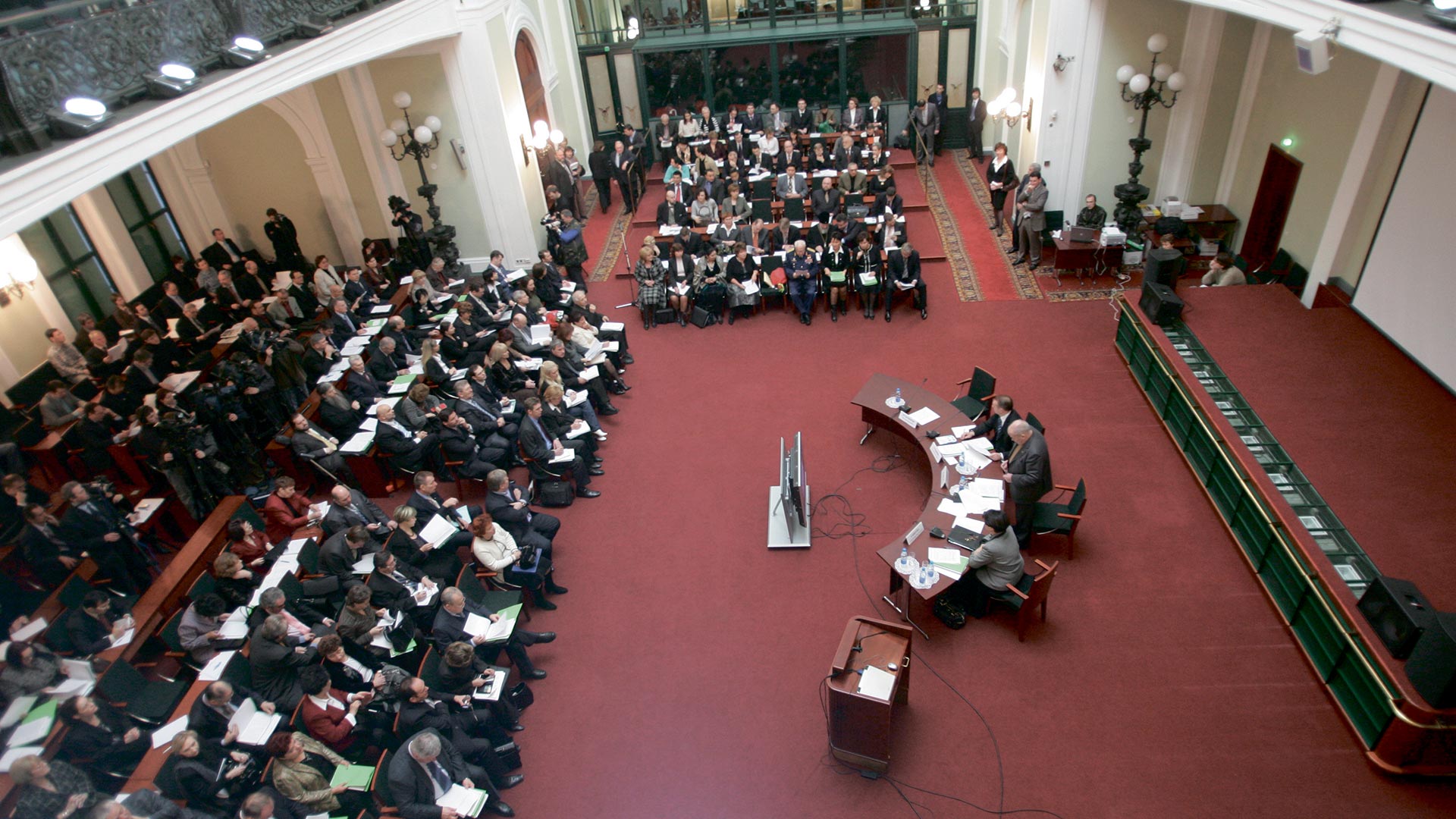
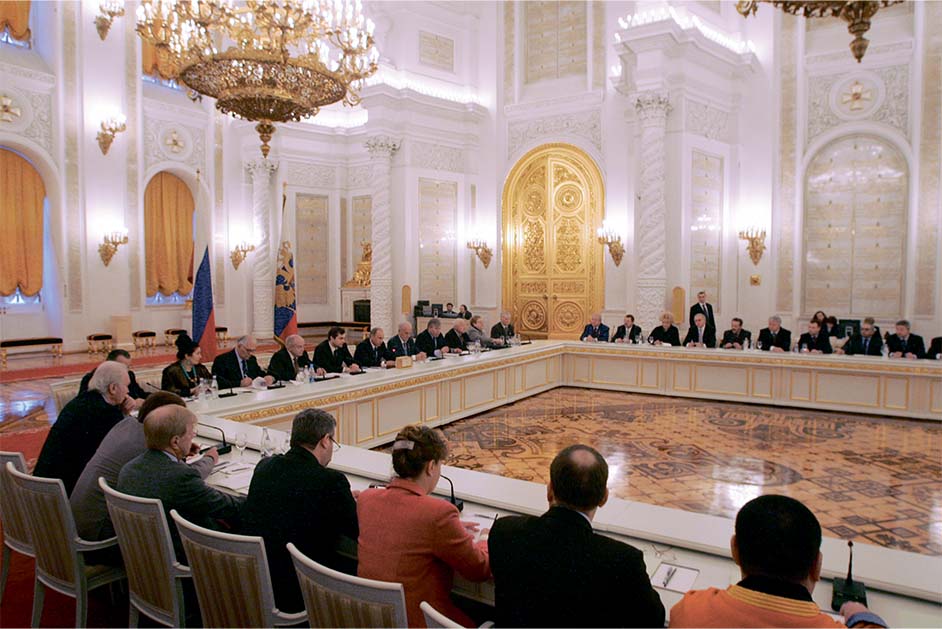 First Plenary Session of the Civic Chamber of the Russian Federation. Moscow. The Kremlin. January 22, 2006 / Press Service of the Civic Chamber of the Russian Federation
Public debates of the Draft Law on the Procedure for Considering Citizens' Appeals
A landmark step in the development of state-society relations was the establishment of legal regulation governing the consideration of citizens' appeals.
During the draft law's review stage in the State Duma, the Civic Chamber conducted wide-ranging public debates. Materials were disseminated to various nonprofit organizations across the country, primarily those directly working with citizens' appeals, assisting in problem-solving, and interacting with state authorities.
The collected comments and proposals formed the basis of a conclusion prepared by the Civic Chamber and submitted to the State Duma. Practically all amendments proposed by the Civic Chamber were taken into account by the deputies during the adoption of the law.
As a result, on May 2, 2006, the President of Russia signed Federal Law No. 59-FZ "On the Procedure for Considering Appeals of Citizens of the Russian Federation." This law became a crucial instrument for protecting citizens' rights and enshrining the procedure for official dialog between society and the state.
Membership in the International Association of Economic and Social Councils and Similar Institutions (AICESIS)
From its very first years, the Civic Chamber has sought to develop international cooperation and exchange experience with foreign civil society institutions.
Thus, in 2006, the Civic Chamber joined the International Association of Economic and Social Councils and Similar Institutions (AICESIS), founded in 1999 on the initiative of the presidents of the Economic and Social Councils of France and Côte d'Ivoire. Russia became part of a global civil society structure united by a common mission: to develop democratic institutions, strengthen peace, protect human rights, and promote public diplomacy. As part of its activities within the AICESIS, the Civic Chamber participated in establishing and supporting national economic and social councils in other countries, sharing experience based on the principles of the Charters of the United Nations and the International Labor Organization, their key documents, as well as the Universal Declaration of Human Rights.
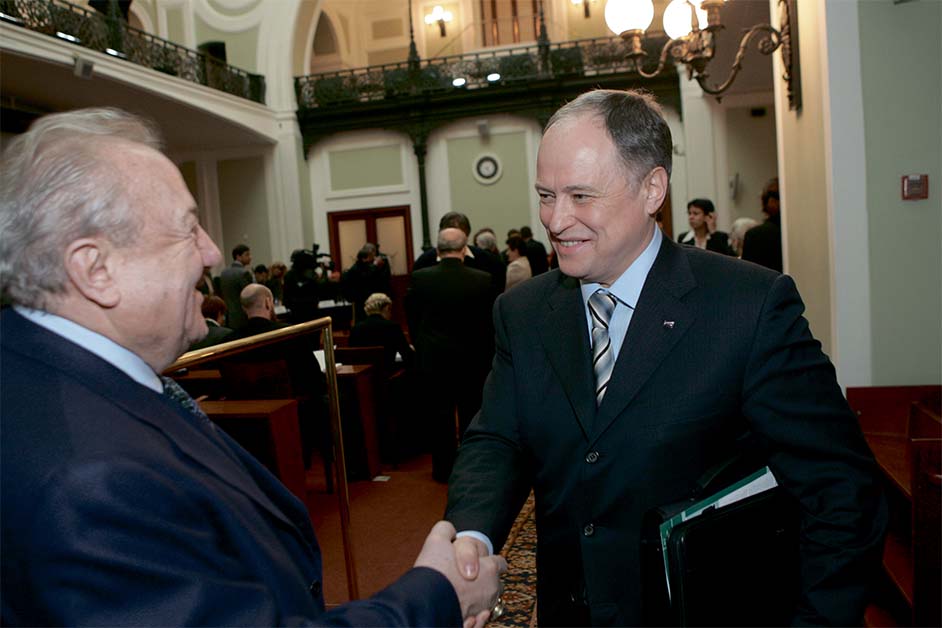
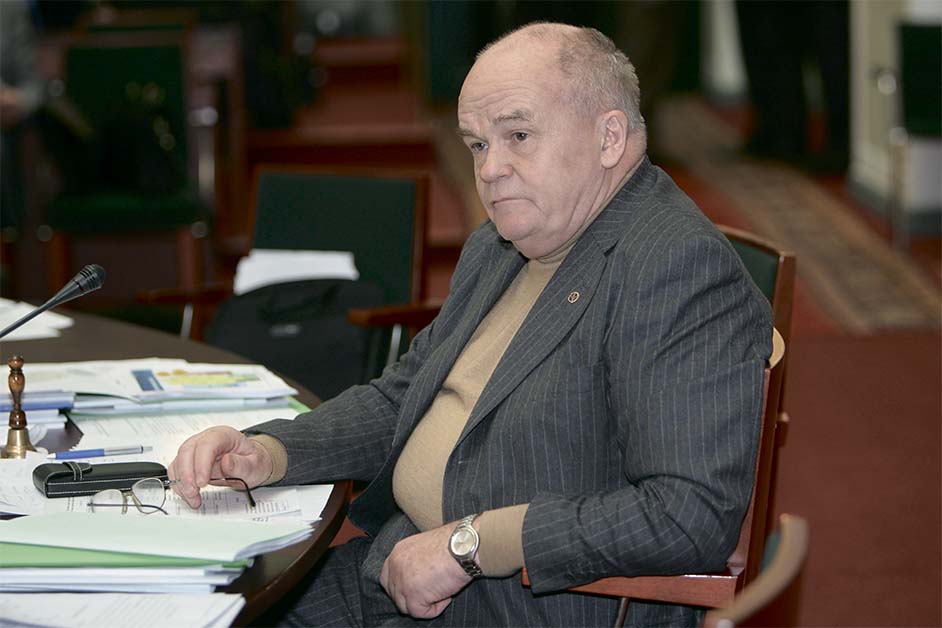
 Minister of Transport of the Russian Federation Igor Levitin and Chair of the Commission of the Civic Chamber of the Russian Federation on Public Oversight of Law Enforcement Agencies, Security Forces, and Reform of the Judicial-Legal System, Chairperson of the Moscow Chamber of Advocates Anatoly Kucherena during a presentation of a pilot project for an automated system to enforce speed limit compliance by drivers. July 20, 2006.
Sergey Pyatakov / RIA Novosti
Minister of Transport of the Russian Federation Igor Levitin and Chair of the Commission of the Civic Chamber of the Russian Federation on Public Oversight of Law Enforcement Agencies, Security Forces, and Reform of the Judicial-Legal System, Chairperson of the Moscow Chamber of Advocates Anatoly Kucherena during a presentation of a pilot project for an automated system to enforce speed limit compliance by drivers. July 20, 2006.
Sergey Pyatakov / RIA Novosti
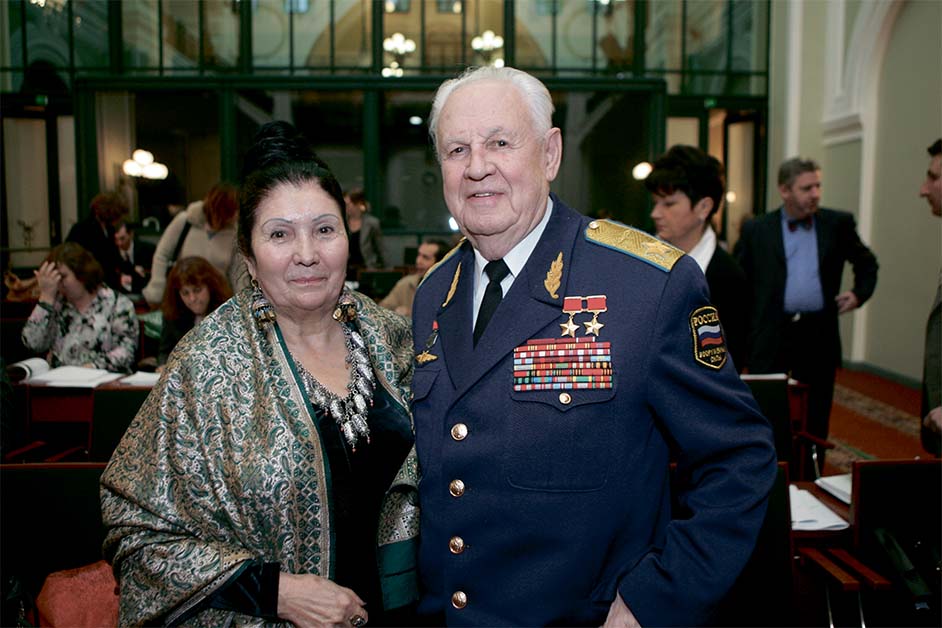
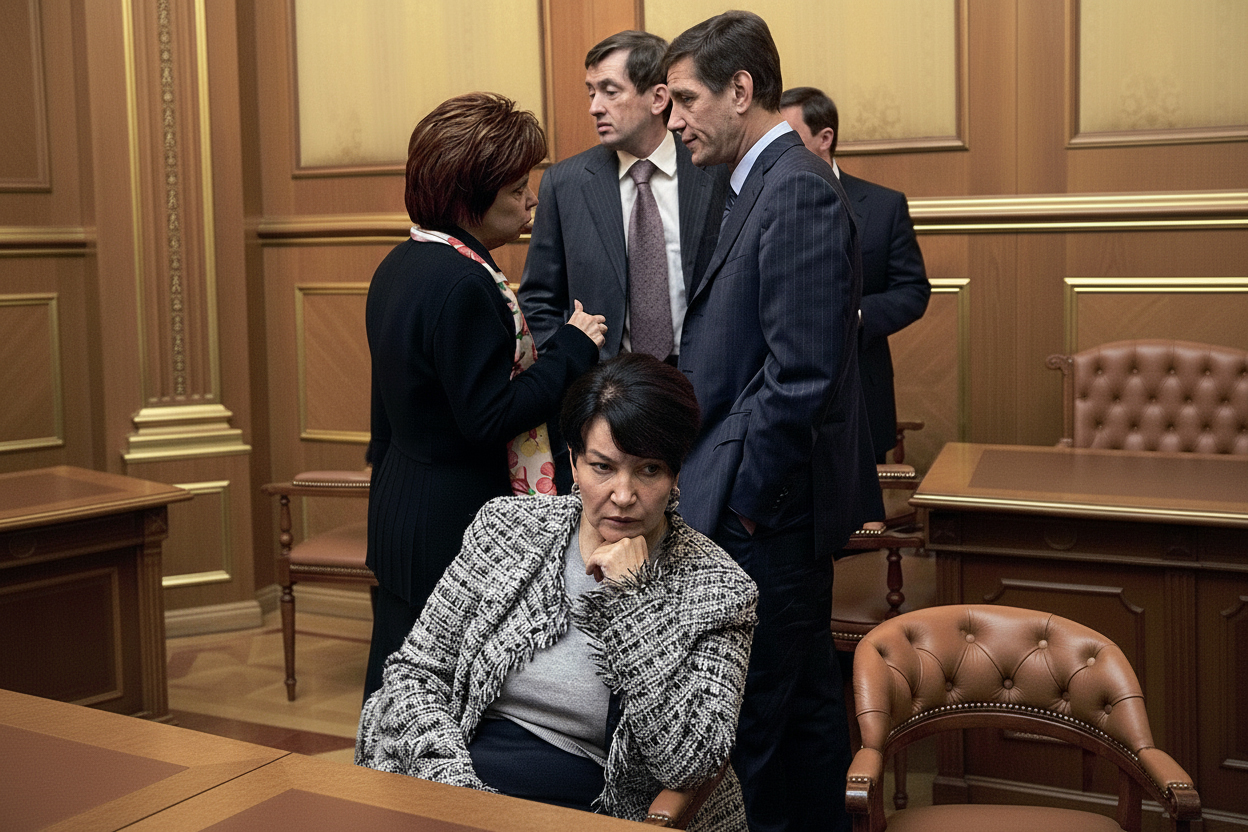 Alexandra Ochirova, Chair of the Commission of the Civic Chamber of the Russian Federation on Social Issues
(in the foreground), at a meeting of the Presidium of the Council under the President of the Russian Federation for the Implementation of Priority National Projects and Demographic Policy. October 24, 2006.
Vladimir Fedorenko / RIA Novosti
Alexandra Ochirova, Chair of the Commission of the Civic Chamber of the Russian Federation on Social Issues
(in the foreground), at a meeting of the Presidium of the Council under the President of the Russian Federation for the Implementation of Priority National Projects and Demographic Policy. October 24, 2006.
Vladimir Fedorenko / RIA Novosti
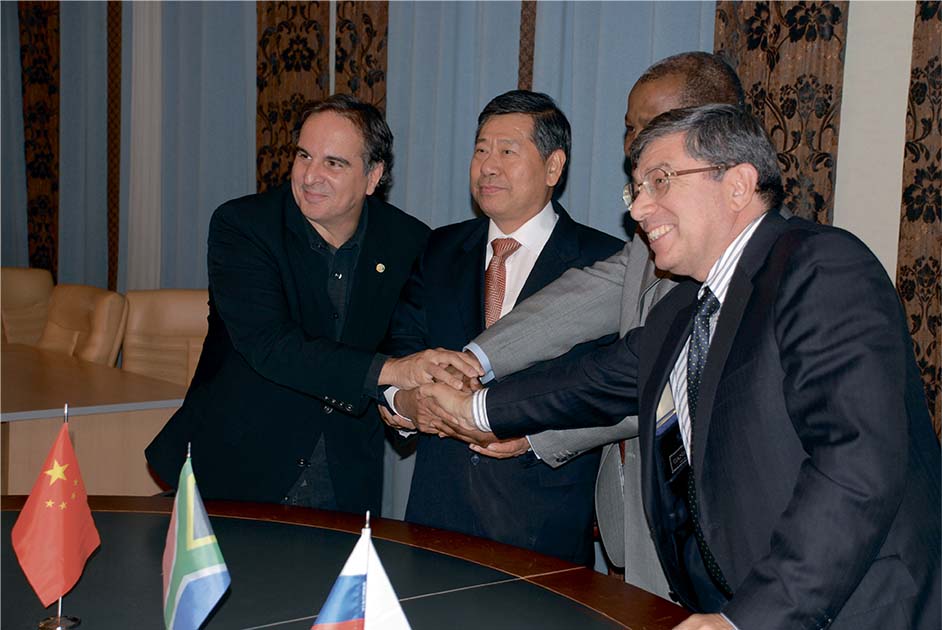 Signing of the Agreement between the Civic Chamber of the Russian Federation, the Council for Economic and Social Development of Brazil, the Economic and Social Council of China, the National Economic Development and Labour Council of South Africa, and the Observer Research Foundation of India. 2006 / Press Service of the Civic Chamber of the Russian Federation
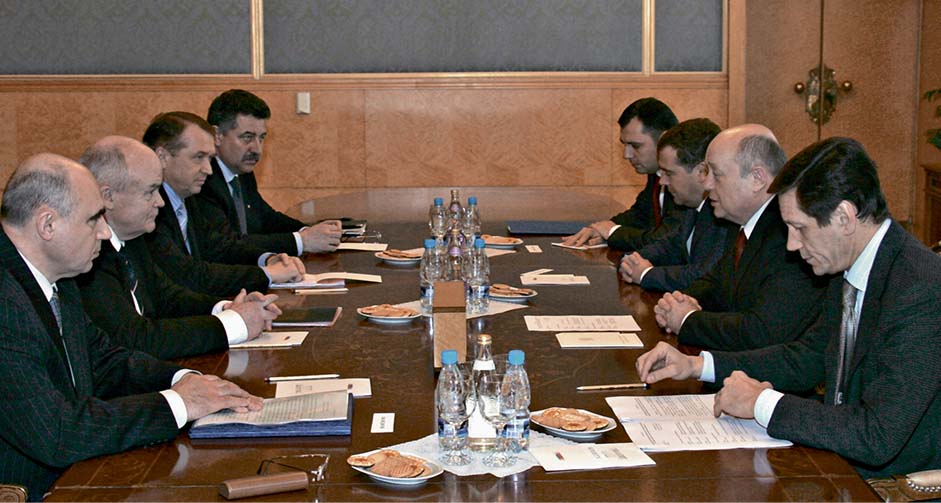 Meeting of the Chairman
of the Government of Russia and Key Deputy Prime Ministers with Members of the Civic Chamber. Moscow.
April 12, 2006.
Meeting of the Chairman
of the Government of Russia and Key Deputy Prime Ministers with Members of the Civic Chamber. Moscow.
April 12, 2006.
Sergey Subbotin /
RIA Novosti
РИА Новости
Relocation of the Oil Pipeline Route Away from Lake Baikal
In 2006, the construction of the Eastern Siberia – Pacific Ocean oil pipeline became a highly resonant issue, as the initial plan was to lay it just 800 meters from Lake Baikal, in a seismically hazardous zone. The Civic Chamber, together with environmental organizations and the expert community, opposed this route.
In its statement of March 28, 2006, the Civic Chamber acknowledged the project's strategic importance for the country but simultaneously insisted on an objective assessment of environmental risks and the search for alternative solutions that would eliminate the threat to Baikal.
On April 26, 2006, the President of Russia, at a meeting in Tomsk, supported the Civic Chamber's position. He stated the impermissibility of routing the pipeline near the lake and ordered the route to be moved outside its watershed basin. The President's decision was perceived by the members of the Civic Chamber as evidence that the state is prepared to consider public opinion and treat it as a priority in key decision-making.
 Construction of the underwater section of the Eastern Siberia – Pacific Ocean oil pipeline across the Angara River. May 2006. Alexey Babushkin / RIA Novosti