2012
New Technologies for Reconciling Public Interests
In 2012, the Civic Chamber significantly expanded the scope of its activities—ranging from election observation and education issues to housing and utilities and public diplomacy.
In 2012, the Civic Chamber significantly expanded the scope of its activities—ranging from election observation and education issues to housing and utilities and public diplomacy.
The Presidential election held on March 4, 2012, demonstrated for the first time that public oversight could assume a mass character.
Monitoring the voting process involved not only members of political parties and media representatives but also civil society activists. The Civic Chamber, together with regional chambers, managed to deploy several thousand public observers to polling stations.
For the first time, remote training was organized to prepare observers. Furthermore, polling stations were equipped for the first time with video cameras, allowing anyone to monitor the voting process in real-time via a specially created online portal.
Members of public supervisory commissions (PSCs) conducted monitoring in pre-trial detention centers and temporary detention facilities, verifying the provision of electoral rights for detainees and persons under investigation.
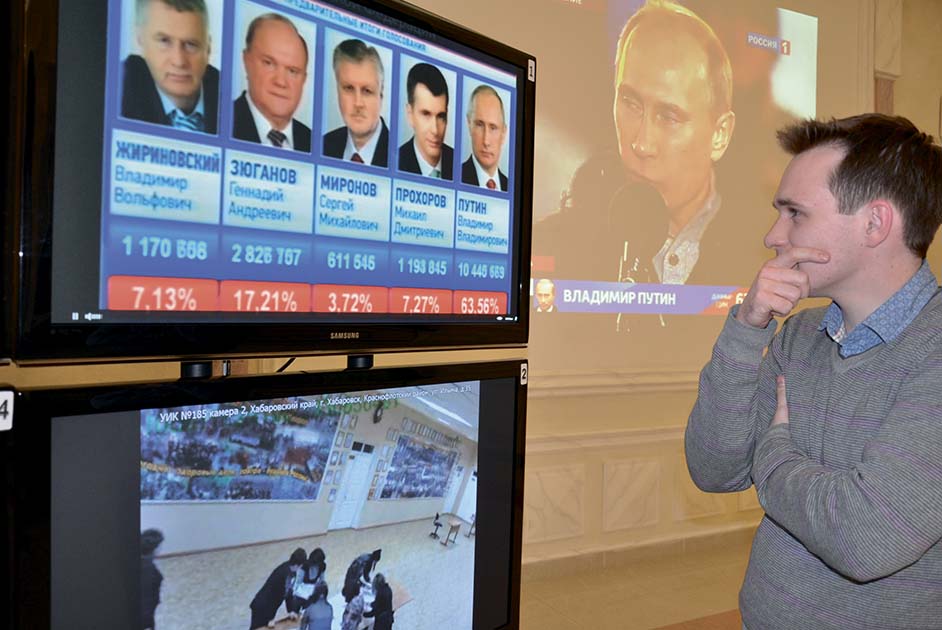 Public Monitoring of the Russian Presidential Election. March 4, 2012 / Press Service of the Civic Chamber of the Russian Federation
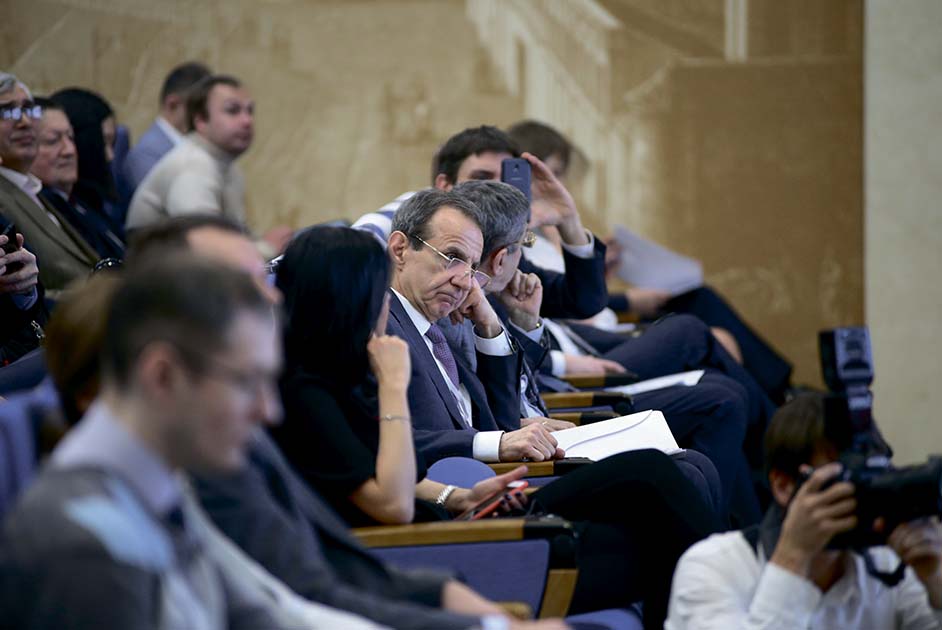 Vice President of the Civic Chamber of the Russian Federation, Russian diplomat Sergey Ordzhonikidze / Press Service of the Civic Chamber of the Russian Federation
2012 also became the year of institutionalizing public diplomacy. Specifically, the Russian Public Council for International Cooperation and Public Diplomacy was established under the Civic Chamber. It comprised over 40 experts from NPOs and the academic community.
The Council discussed issues of Eurasian integration, the use of "soft power" resources for shaping Russia’s international image, and the situation in the Middle East. To prepare new personnel in this field, the project "Faculty of International Cooperation and Public Diplomacy" was launched.
Public monitoring gradually evolved into an instrument of "soft power," as Russian observers participated in elections in Abkhazia, Belarus, the United States, Ukraine, and South Ossetia. In May 2012, a delegation of civil society representatives visited Syria, which was engulfed in civil war. The outcome of the mission was reports on human rights violations, submitted to international organizations and law enforcement agencies. The Civic Chamber forwarded the mission’s findings to the relevant state authorities, supplementing them with expert recommendations.
2012 also proved pivotal for the system of public councils under federal executive authorities.
The so-called "May Decrees" of the President introduced a new stipulation: from that point forward, important decisions and strategic program documents of ministries and agencies could not be adopted without discussion with members of public councils. Throughout the year, the Civic Chamber, jointly with the Government of Russia and the Presidential Administration, developed a new procedure for their formation.
As a result, public councils began to be formed based on proposals from civic chambers of the constituent entities of the Russian Federation, reputable NPOs, leading higher education institutions, and the Russian Academy of Sciences. This made the process more transparent and enabled the inclusion of professional and independent expert communities.
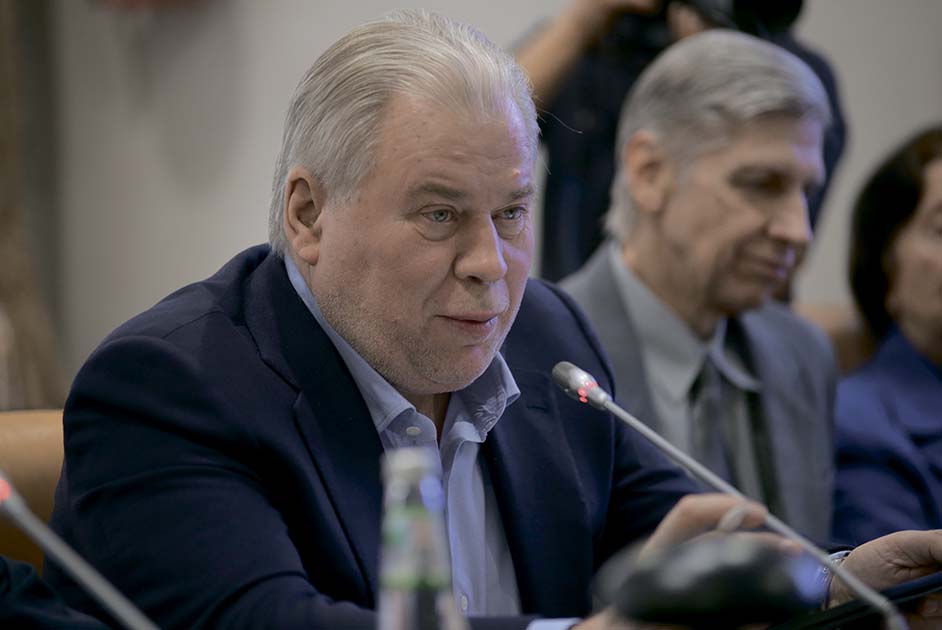 Member of the first composition of the Civic Chamber of the Russian Federation, Chair of the Public Council under the Ministry of Internal Affairs of Russia since 2013, Anatoly Kucherena / Press Service of the Civic Chamber of the Russian Federation
One of the most significant events of the year was the adoption of Federal Law No. 273-FZ of December 29, 2012, "On Education in the Russian Federation," in the preparation of which the Civic Chamber played a key role. From 2010 to 2012, its platform gathered and processed nearly 23,000 comments and suggestions received from concerned citizens: experts, educators, parents, and students voiced their opinions.
As a result, the Civic Chamber prepared approximately 200 proposals, which formed the basis for over 20 amendments included in the final text of the law. This process demonstrated that the state is willing to engage in dialog with society when developing foundational legislation.
Housing and utilities and the management of apartment buildings became a priority area for the Civic Chamber’s work.
Throughout the year, the Civic Chamber collected best regional practices and formulated proposals for state authorities. These included mandatory registration of minutes from owners’ general meetings with state housing oversight bodies and the creation of a unified register of such minutes.
The Civic Chamber conducted a public expert review of the draft law on creating self-regulating organizations in the field of apartment building management. It acknowledged that the document was generally aimed at improving service quality but pointed out that some of its provisions could later restrict competition.
The draft law on the system for financing capital repairs of apartment buildings also sparked significant public debate. Citizens saw it as shifting responsibility onto homeowners. The Civic Chamber came forward with a series of proposals to enhance resident protection and transparency in the use of their funds, many of which were taken into account.
Furthermore, a special coordinating body was established within the Civic Chamber—the Working Group on Housing and Utilities Oversight, which included representatives of regional public oversight entities.
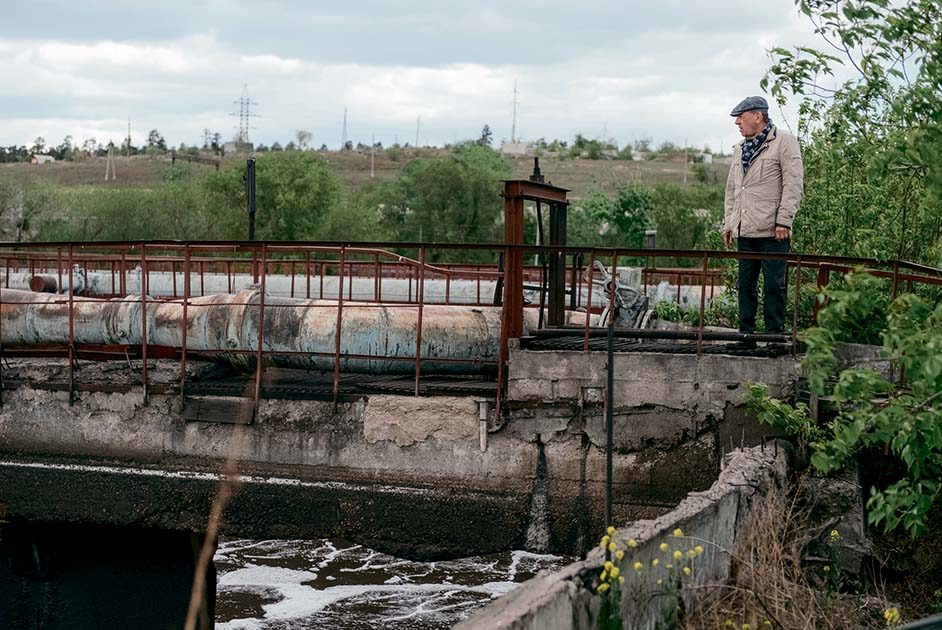 Civic Chamber member Igor Shpektor during an inspection of water treatment facilities / Press Service of the Civic Chamber of the Russian Federation
In recognition and respect for Igor Shpektor’s service, one of the halls for public events in the Civic Chamber building has been named in his honor.
The summer of 2012 is remembered for the tragedy in the Krymsky District of Krasnodar Krai, where a devastating flood on the night of July 7 claimed hundreds of lives and left thousands homeless.
The Civic Chamber responded to the disaster almost instantly. Volunteer recruitment for relief efforts was announced as early as July 10, while simultaneous efforts began with businesses and charities to attract nongovernmental resources.
On July 17, the Civic Chamber opened a hotline for victims. Hundreds of calls helped gather data on the most acute problems: from shortages of medicine and housing to difficulties in receiving compensation. Based on the situation analysis, the Civic Chamber proposed developing new mechanisms for supporting emergency victims. One of the key proposals was to encourage the establishment of local nonprofit organizations that could take on functions of mutual aid, coordination, and public oversight.
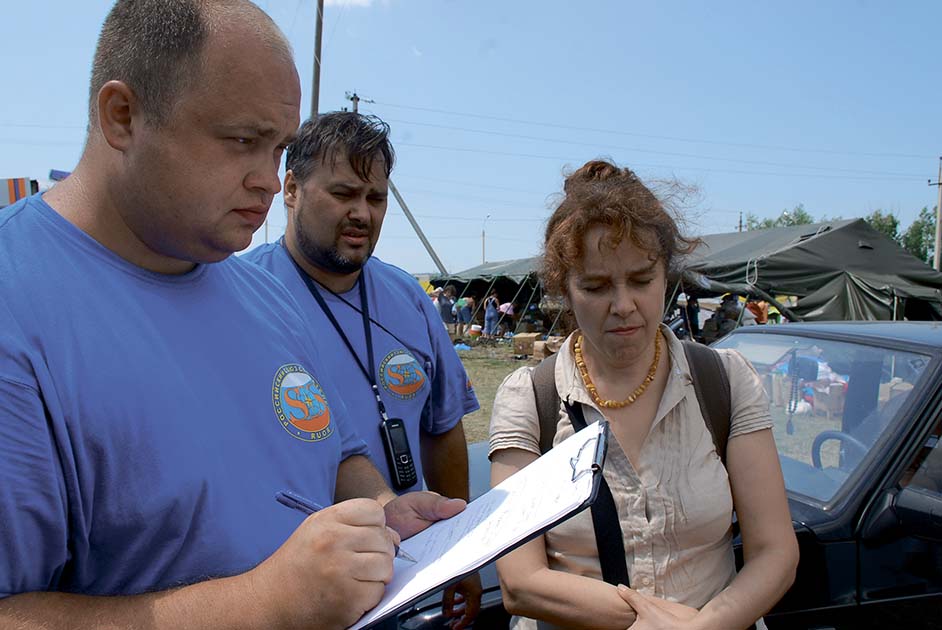 Civic Chamber member Elena Topoleva-Soldunova at a temporary accommodation center
for residents of the Krymsky District, Krasnodar Krai, affected by the flood.
Summer 2012 / Press Service of the Civic Chamber of the Russian Federation
Civic Chamber member Elena Topoleva-Soldunova at a temporary accommodation center
for residents of the Krymsky District, Krasnodar Krai, affected by the flood.
Summer 2012 / Press Service of the Civic Chamber of the Russian Federation
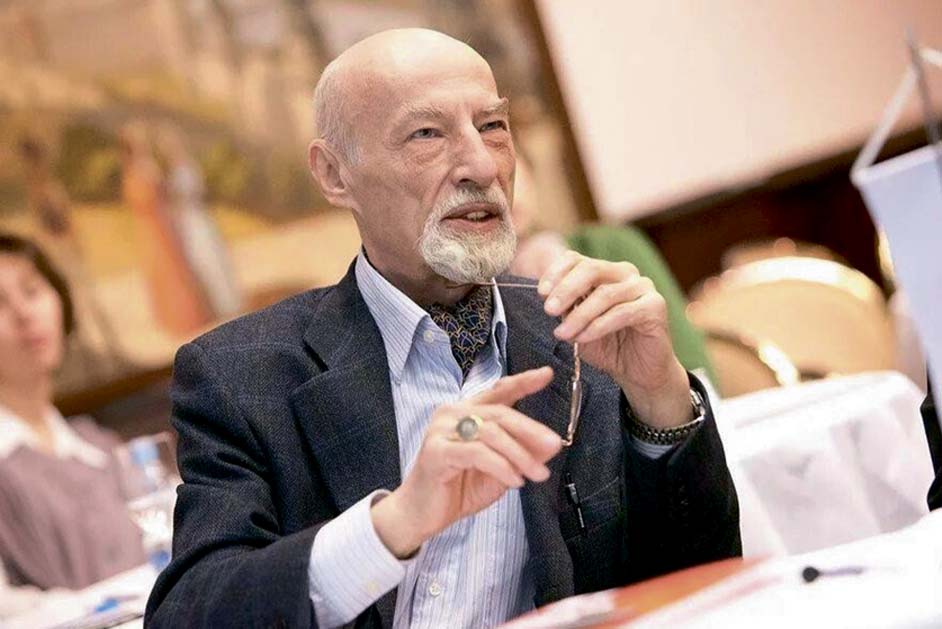
The work of Vyacheslav Glazychev gave a powerful impetus to the development of urban studies in Russia. His "social-architectural" projects and concepts continue to be implemented in many cities across the country.
In recognition of Vyacheslav Glazychev’s contributions, one of the halls for public events in the Civic Chamber building has been named in his honor.